
Canary Islands Revive Historic Handcrafted Rum Production
The Canary Islands are reviving their historic "Sugar Islands" heritage by launching Caña y ron, a project led by Nacho Zerolo and partners, to produce premium, hand-made Ron 1500, with the first batch set to be ready in 2029.
The Canary Islands are bringing back their old tradition of making rum by hand. This project, aiming for a high-quality rum ready by 2029, revives a farming and industrial heritage that goes way back in the islands' history. The Canary Islands were even known as the "Sugar Islands" from the late 1400s because they grew so much sugarcane.
Nacho Zerolo is leading this effort with his partners Miguel Asiain, David Calcines, David González, Eloy González, and Manuel Marichal. They've started a company called Caña y ron. Their goal is to make a premium, aged rum called Ron 1500. The first batch started aging in French and American oak barrels last December and will be ready in 2029, after four years of careful maturation.
The project operates from two main sites in Tenerife. In La Caleta de Interián, Garachico, 3,000 square meters are used to grow sugarcane. The first harvest there in September produced 25 tons. The actual rum distillation and aging happen at a property bought in the El Amparo neighborhood of Icod de los Vinos. This historic building has been updated for production, but its original features, like an old cellar (now for spirits) and an outdoor press, have been kept.
Ron 1500 is made entirely by hand. After the sugarcane is harvested each year (Zerolo says the plants can produce well for about 80 years), it's cleaned and pressed to get the juice. This juice then ferments for 24 to 72 hours at a controlled pH of 5.4, turning the sugars into alcohol. Next, the fermented juice goes into a 1,000-liter copper still. It takes about two tons of cane to fill the still. Distillation happens between 80 and 90 degrees Celsius, carefully separating the liquid into "heads," "hearts," and "tails." Only the "hearts" are used for the rum.
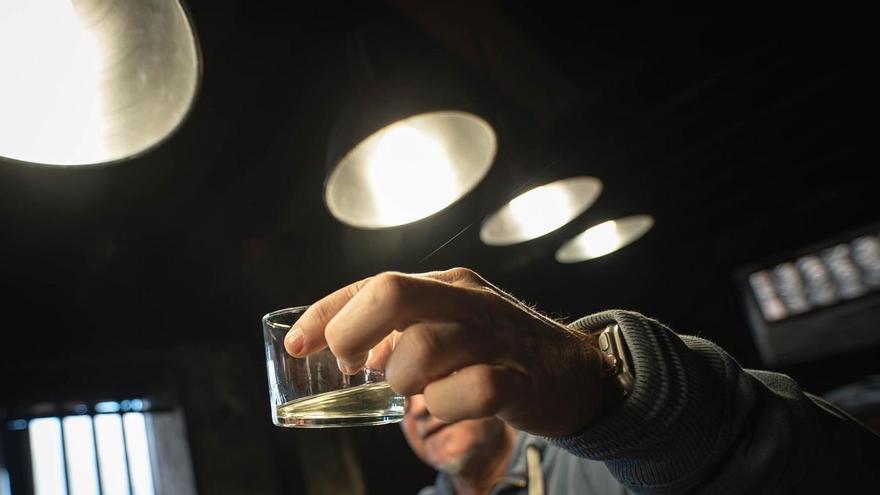
The first distillation produced almost 1,000 liters of spirit, which is 60% alcohol. This will be watered down before it goes into barrels. They're using Pedro Ximénez sherry casks and special barrels made in the Basque Country, which will give the rum unique flavors. Over the four years of aging, the partners will taste the rum every month to see how it's developing.
This project isn't just about making good rum; it's also about bringing back a farming and industrial industry that was once vital to the Canary Islands' economy before banana growing took over. The fact that the sugarcane field in La Caleta de Interián is close to an old 19th-century sugar mill (now a banana packaging plant) highlights how this new venture connects with history and could help local development.