
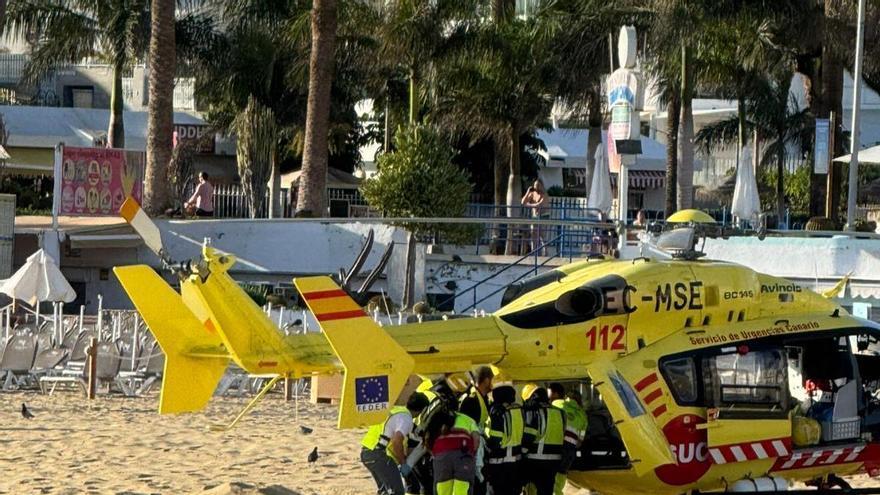
Canary Islands Report 4% Rise in Drownings Amid Surge in Aquatic Accidents
Aquatic accidents in the Canary Islands have risen significantly in 2026, with 25 drowning deaths recorded between January and May, marking a 4% increase compared to the previous year.
Safety on the Canary Islands’ coastline is back in the spotlight following a rise in aquatic accidents. Data from the prevention platform Canarias, 1500 Km de Costa shows that 25 people drowned between January and May 2026, a 4% increase compared to the same period last year.
Overall, the number of aquatic incidents has surged. By the end of May, 81 people had been involved in accidents—a 37% increase from the 59 cases reported in 2025. Of those affected, eight remain in critical condition, 21 have injuries ranging from serious to minor, and 17 were rescued unharmed.
The statistics highlight a clear gender gap, with 19 men and six women among the deceased. Most victims were international visitors—primarily from Germany, Belgium, Italy, Norway, the Netherlands, the U.S., and Venezuela—with three Spanish nationals and nine cases where the origin was not reported. While most victims were adults, the figures include one minor and three people over the age of 60.
The safety of minors is a particular concern, with 11 incidents recorded in the first five months of the year, including one fatality. In May alone, four minors were involved in accidents, three of which occurred in swimming pools. Experts emphasize that these incidents, including cases in Valsequillo and tourist complexes in southern Gran Canaria, could likely have been prevented with stricter supervision.
Geographically, Tenerife recorded the highest number of deaths (10), followed by Fuerteventura (5), Gran Canaria (4), El Hierro (3), La Gomera (2), and Lanzarote (1). Beaches remain the most dangerous locations, accounting for 55% of incidents, followed by ports and coastal areas (27%), and swimming pools. Over half of these accidents (52%) occurred in the afternoon, with swimming being the most common activity, followed by accidental falls from piers or cliffs, and fishing or scuba diving.
This rise in accidents highlights the ongoing challenges of water safety across the islands. By tracking data from emergency services and maritime authorities, experts hope to better understand these trends and push for improved prevention protocols and public awareness to keep swimmers and leisure-seekers safe.