
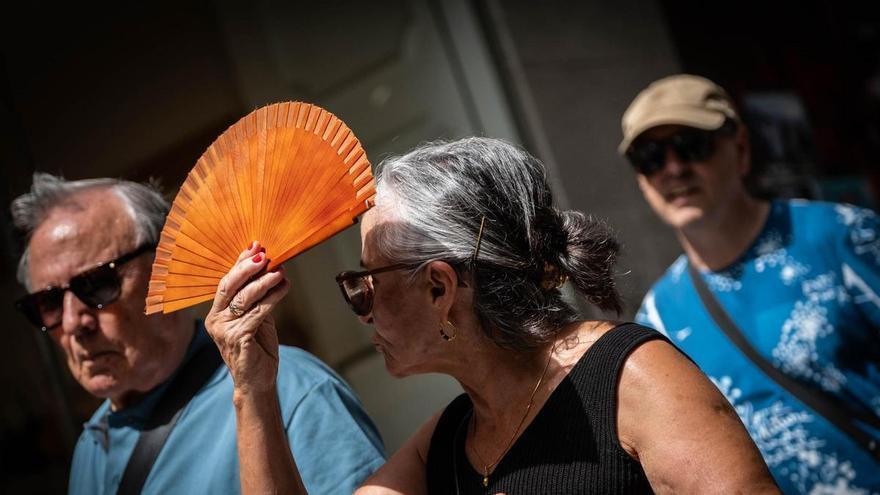
Canary Islands Record Tenth-Warmest August Amid Rising Heat-Related Deaths
The Canary Islands recorded their tenth-warmest August since 1961, with persistent heatwaves and elevated nighttime temperatures contributing to nearly 70 heat-related deaths across the archipelago this summer.
The Canary Islands experienced an unusually hot August, ranking as the tenth warmest since records began in 1961, according to the State Meteorological Agency (Aemet). While the month did not break historical heat records, the average temperature of 24.2ºC was 1.1 degrees above the statistical norm. This ongoing warming trend has alarmed health authorities, particularly after nearly 70 deaths were linked to heat-related illnesses across the islands this summer.
The severity of the heat was highlighted by a series of "tropical nights," where temperatures remained exceptionally high even after dark. During an intense heatwave from August 1 to 5, every automated weather station in the region recorded unusually high nighttime temperatures. The peak occurred in the Gran Canarian town of Tasarte, which hit 44ºC on August 2. Although the extreme heat eased slightly after the first week, warm nights persisted across most of the islands throughout the month, with the exception of some higher-altitude areas.
Climatologically, August was a month of contrasts. Despite the high temperatures, rainfall was higher than usual, with 2.4 liters per square meter—114% of the expected average. This makes it the twelfth wettest August in the last 60 years, a surprising figure given the dry conditions typically associated with heatwaves.
This combination of rising temperatures and increased heat-related deaths highlights the islands' growing vulnerability to climate change. Experts warn that public health protocols must be updated, noting that managing water resources and protecting vulnerable populations are now critical challenges for the region.