
Canary Islands Record Eighth Wettest May Amid Significant Rainfall Surplus
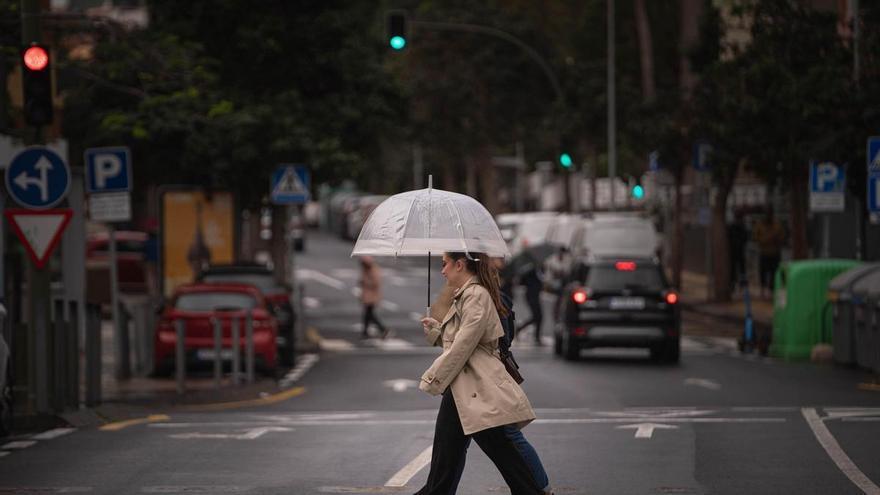
The Canary Islands experienced their eighth wettest May since 1961, with the archipelago recording 155% of its typical rainfall for the current hydrological year.
The latest climate report from the State Meteorological Agency (Aemet) shows that last May was unusually humid in the Canary Islands, continuing a trend of higher-than-average rainfall throughout the current hydrological year, which runs from October 2025 to May 2026.
Rainfall was unevenly distributed across the archipelago. The province of Santa Cruz de Tenerife saw significant rain, recording 23 millimeters—137% of its usual average. In contrast, the province of Las Palmas remained much drier, with only 1.9 millimeters, or 90% of its expected rainfall. This difference highlights how the islands' varied terrain and microclimates influence local weather. Overall, the archipelago has received 394.3 millimeters of rain so far this year, reaching 155% of the typical amount, which experts classify as a very wet period.
Temperatures remained largely normal, with a regional average of 18.1 degrees, just slightly above the expected norm. However, there were sharp local contrasts: the Izaña station in Tenerife dropped to a low of -3.0 degrees on May 8, while Tías-Las Vegas in Lanzarote reached a high of 35.2 degrees on May 26. This late-month heatwave contributed to 63 "tropical nights," where temperatures stayed above 20 degrees.
Overall, Aemet ranks this past May as the eighth wettest since records began in 1961, with most of the rain falling between May 6 and 19. La Palma saw the most intense activity, with one station recording 45.8 millimeters in a single day. These figures underscore the importance of managing water resources in a region where weather patterns are constantly changing, especially as this year’s rainfall has significantly exceeded historical expectations.