
Canary Islands Protests Resurface as Activists Challenge Tourism Model
Canary Islands activists are returning to the streets to protest against the region's tourism-dependent economic model, citing unresolved concerns over housing, overcrowding, and wealth inequality.
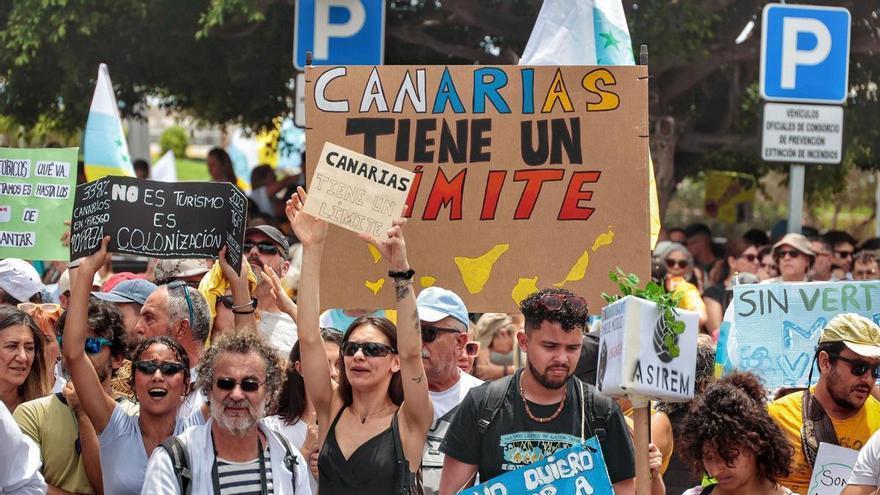
The social movement that reshaped Canary Islands politics in April 2024 is preparing to return to the streets. Organizers recently announced via social media that they are resuming protests, arguing that the historic demonstrations two years ago were just the start of a movement, not a one-time event. This move brings the debate over the region’s development model back to the forefront of public discussion.
The ongoing unrest stems from deep-rooted issues that organizers say remain unaddressed. Key concerns include the overcrowding of natural spaces, a housing crisis driven by soaring property prices, and a tourism model that many feel fails to distribute wealth fairly. These protests have united a diverse group of people, from environmental and neighborhood activists to workers in precarious roles, such as hotel housekeepers.
Since the initial protests on April 20, the movement has shown remarkable staying power. Following the massive turnout in Santa Cruz de Tenerife, the momentum continued throughout the year. In October 2024, protesters targeted areas with high tourist traffic, and by May 2025, marches across the archipelago drew more than 23,000 people, according to government figures, with particularly strong support in Tenerife.
The movement has gained attention far beyond the islands, sparking conversations across mainland Spain and abroad about the sustainability of relying almost exclusively on tourism. The question now is whether these platforms can maintain their momentum. This will determine if the regional government and business leaders face another wave of large-scale pressure or a period of relative calm. For now, the organizers’ message is clear: the grievances that sparked the original protests remain, posing a persistent challenge to the archipelago’s current economic and territorial policies.