
Canary Islands Prepare to Mark Bicentennial of 1826 Storm Amid Lingering Statue Mystery
The upcoming 200th anniversary of a catastrophic 1826 storm in the Canary Islands has reignited a long-standing historical debate over whether the original statue of the Virgin of Candelaria was lost at sea or remains hidden in Adeje.
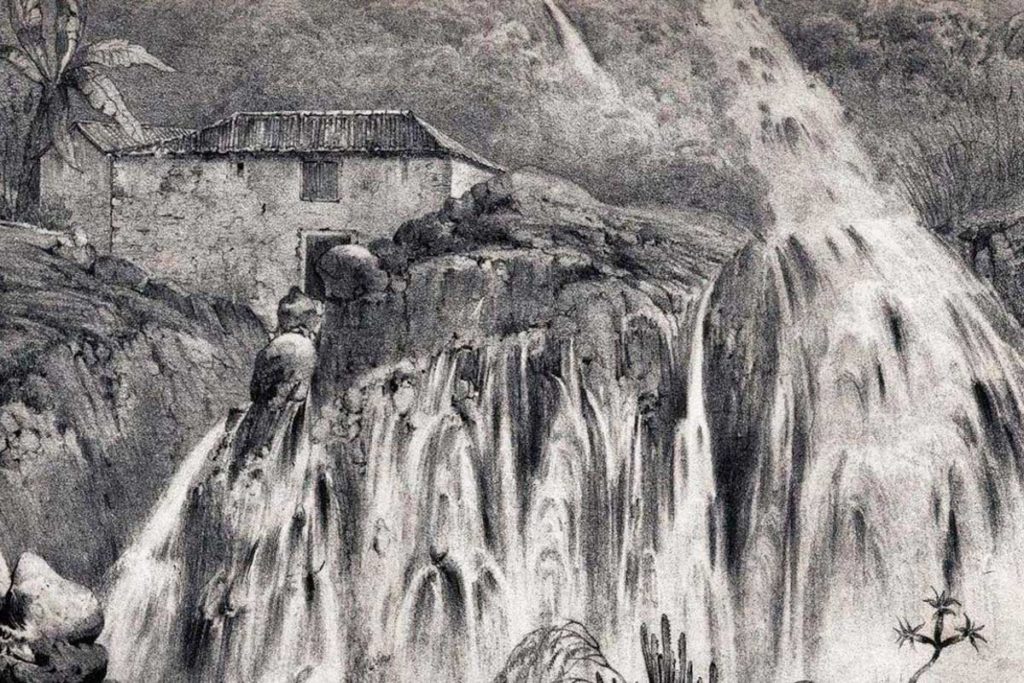
Next November marks the 200th anniversary of one of the most devastating storms in the history of the Canary Islands. Between November 7 and 9, 1826, a catastrophic flood reshaped the archipelago’s landscape, demographics, and cultural heritage. As researcher Doris Martínez Ferrero noted in La Prensa, the disaster is remembered not only for the tragic loss of life and destruction of infrastructure but also for sparking a long-standing debate over the true identity of the Virgin of Candelaria.
The storm hit the north of Tenerife particularly hard. Records from the time, including accounts by British merchant Alfred Diston, report more than 235 deaths in the La Orotava Valley alone, with many more victims in La Guancha and San Juan de la Rambla. The waves were so powerful that they breached the Dominican convent in Candelaria, sweeping away the original statue of the Virgin. This loss was a major turning point for the island’s religious history, eventually leading to the commission of the current statue by sculptor Fernando Estévez.
However, the disappearance of the original carving has fueled a persistent conspiracy theory. Some believe the statue lost at sea was actually a 17th-century replica, and that the original had been moved to the church of Santa Úrsula in Adeje for safekeeping. While experts like Dr. Trujillo Rodríguez note that the original altarpiece was moved to Adeje in 1681, the local authorities' long-standing refusal to allow their image to be used in Candelaria’s commemorations has kept the mystery alive.
The debate is further complicated by 16th-century descriptions from Friar Alonso de Espinosa, whose account of the statue’s physical features—such as hair color—differs from the current "Black Virgin." With mysterious inscriptions on the Adeje statue still waiting to be deciphered, modern scientific testing could finally settle the matter. Such an analysis would determine whether the Canary Islands have been guarding a four-century-old secret or if the confusion is simply a historical misunderstanding born from the chaos of that fateful November in 1826.