
Canary Islands Pivot to Hiking Tourism to Combat Overcrowding
The Canary Islands are diversifying their tourism model by promoting inland hiking trails to reduce coastal overcrowding and highlight the region's unique volcanic landscapes and cultural heritage.
The Canary Islands are diversifying their tourism model by promoting hiking, a move designed to spread visitors out beyond the coast and reduce seasonal overcrowding. By highlighting the islands' diverse landscape, officials hope to draw travelers inland. According to industry experts, Tenerife alone boasts over 1,000 kilometers of marked trails, allowing hikers to travel from lush laurel forests to rugged volcanic terrain in just a short distance.
These routes offer a unique mix of geology and history. In Teide National Park, the hike to Alto de Guajara—at 2,715 meters—provides stunning views of the caldera and a connection to scientific history; it is the site where astronomer Jean Mascart observed Halley’s Comet in 1910. Meanwhile, the Chinyero area, where the island’s last eruption occurred in 1909, offers an easy walk through landscapes where pine forests are slowly reclaiming fields of basaltic lava.
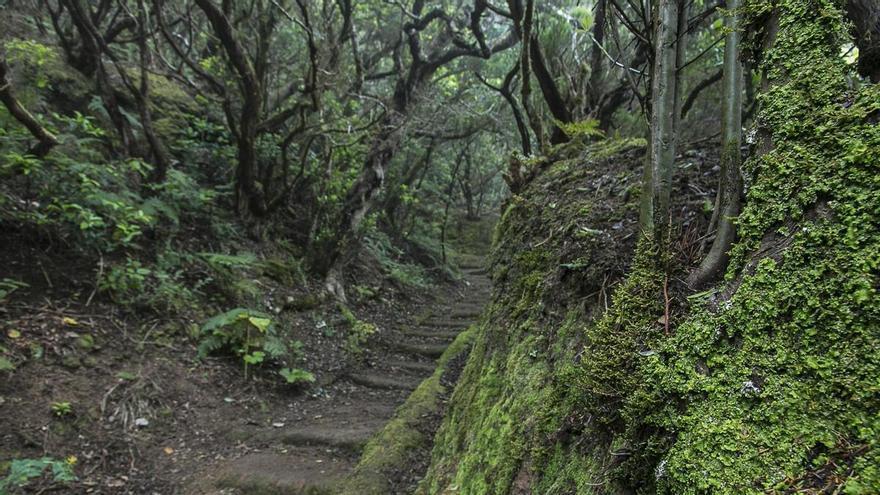
Many of these trails pass through protected areas, such as the Anaga Biosphere Reserve, and require careful planning, especially in summer. The route from Cruz del Carmen to Punta del Hidalgo is a prime example of the region's cultural heritage, passing through traditional villages like Chinamada, where homes are carved directly into the rock. In the southeast, the Malpaís de Güímar offers a fascinating look at volcanic tubes, including the family-friendly Cueva Honda, which is easily accessible due to its gentle terrain.
In the northwest, the town of Los Silos focuses on preserving old agricultural paths. Trails like Cuevas Negras and Talavera wind through ravines and the Monte del Agua forest, offering a glimpse into the islands' traditional farming history.
As hiking grows in popularity during the summer, authorities urge visitors to stay safe. They recommend avoiding the midday sun, checking weather forecasts, and carrying plenty of water. While the islands are a beautiful destination, the rugged terrain requires proper physical preparation and careful planning.