
Canary Islands Parents Protest Plan to Merge Classrooms at Rural School
Parents and local advocates are protesting the Canary Islands Department of Education's plan to consolidate CEIP Erjos into a single classroom, citing concerns over educational quality and the survival of essential rural services.
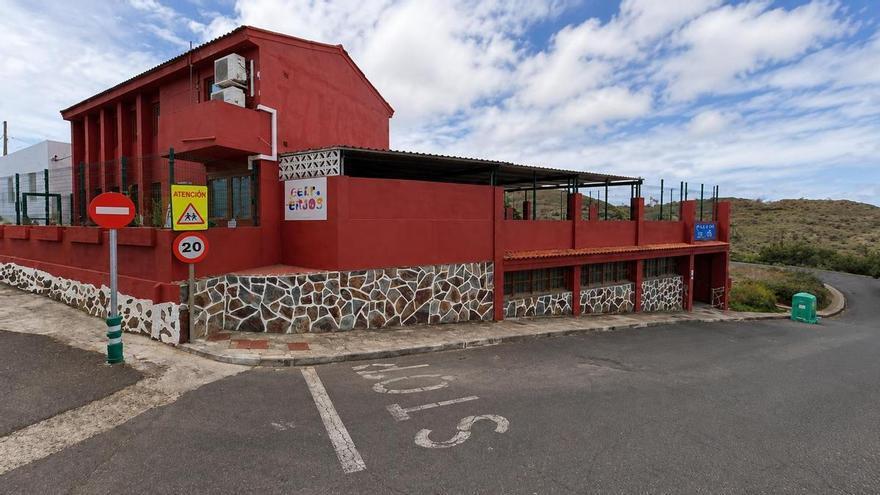
The future of rural schools in the Canary Islands is back in the spotlight after the Department of Education announced plans to cut one of the two teaching units at CEIP Erjos, a school located between El Tanque and Los Silos. The department justifies the move by citing the low number of students, but the decision would force all 14 children—aged three to 11—into a single classroom.
This restructuring would not only reduce staff but also spark concerns about the quality of education and the ability to support diverse learning needs. The Parent-Teacher Association (AMPA) is deeply worried about the challenge of teaching such a wide age range in one room, especially when some students require specialized support for learning difficulties like dyslexia or behavioral needs. María Inés Torres Álvarez, president of the AMPA, warns that the change would place an unfair burden on teachers, making it impossible to provide the personalized attention these students need.
Beyond the classroom, the issue highlights how fragile public services can be in rural areas. Families argue that the current enrollment of 14 students is only temporary. They point out that a lack of rental housing in Erjos is preventing new families from moving to the area and enrolling their children, showing how housing shortages directly threaten the survival of local schools.
Having received no formal response from the Department of Education despite repeated complaints, the families have decided to go public. They emphasize that the school is a vital community hub that helps parents balance work and family life. The AMPA is now urging the regional government to reconsider the cuts, asking officials to look beyond simple enrollment numbers and consider the unique needs of rural communities and the long-term impact of losing essential local services.