
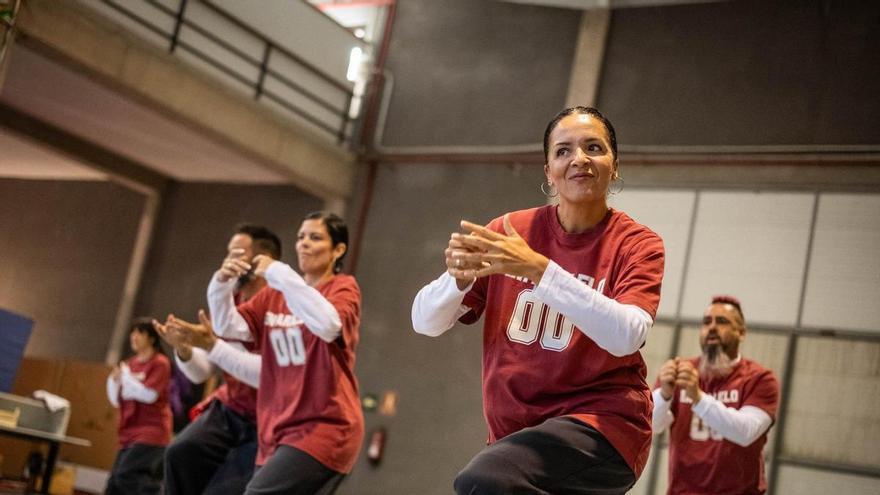
Canary Islands Parents’ Dance Troupe Makes History at National Urban Championship
A group of parents from the Canary Islands' En Paralelo Danza academy has challenged age stereotypes by securing third place at a national urban dance championship in Barcelona, highlighting the sport's role in fostering social connection and mental well-being among adults.
Urban dance is bridging generational gaps in the Canary Islands, proving to be much more than just an art form—it is a powerful tool for social connection and mental well-being. A group of parents from the En Paralelo Danza academy, which has locations in Candelaria, La Laguna, and soon Santa Cruz de Tenerife, recently made history for the islands by taking third place in the over-35 category at the Urban Display national championship in Barcelona on May 3rd.
This success highlights a shift in the performing arts: urban dance is no longer just for the youth. The group, made up of professionals including healthcare workers, architects, teachers, and laborers, turned what started as simply waiting for their children into a serious, disciplined practice. Mastering genres like hip hop, locking, trap, afro, and breakdance requires significant dedication, and these dancers have successfully balanced their training with busy personal lives, proving that age is no barrier to high-performance activity.
For the members, who range in age from 40 to 60, the benefits go far beyond the competition. They describe dance as a therapeutic escape from the stresses of daily life, offering a sense of community and personal growth. Many of the dancers share this hobby with their children, using movement as a common language to strengthen their family bonds.
The success of the "En Paralelo Premium" group is a testament to the guidance of instructors Nerea Álvarez, Aída Torres, Claudia Brito, Candela Brito, and Astrid Cova. For the dancers, this national award is not the finish line, but a validation of their ongoing journey. Their story shows that when dance is taught with inclusivity and rigor, it becomes a catalyst for vitality, proving that adulthood is not a limit to creativity, but a new opportunity to explore one's physical and artistic potential.