
Canary Islands Ombudsman Backs Call for Audit of Hospital Emergency Training Standards
The Canary Islands Ombudsman has backed a call from the Spanish MIR Association for an external audit of the University Hospital of the Canary Islands' Emergency Department, citing concerns over inadequate resident supervision and systemic training failures.
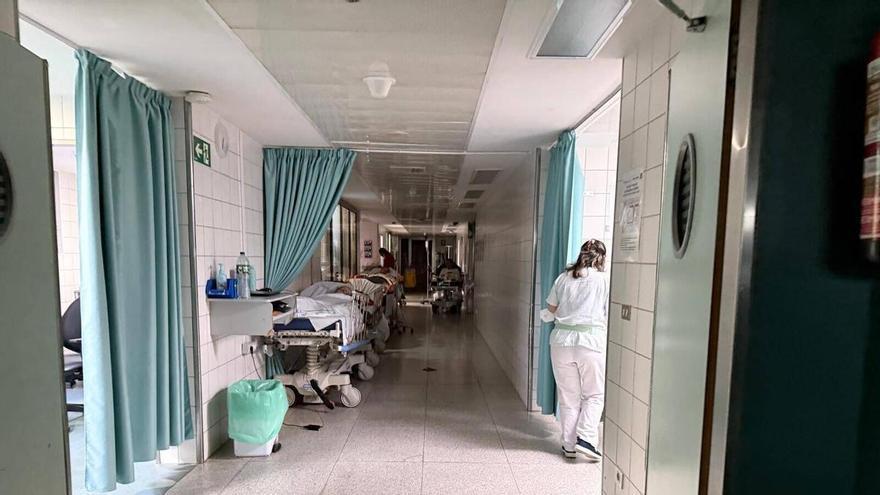
The quality of medical training in the Canary Islands is under fire again. The Spanish MIR Association (AME Canarias) has formally requested an external audit of the Emergency Department at the University Hospital of the Canary Islands (HUC). The request follows reports from doctors and residents who claim that supervision is inadequate, particularly given the department's heavy clinical workload.
This complaint highlights a long-standing issue in the national healthcare system: the struggle to balance a resident’s need for education with the hospital’s need to use them to fill staffing gaps. AME Canarias argues that the training of new doctors must be built on proper mentorship and legal safeguards, both of which they believe are currently at risk at the Tenerife hospital. The association warns that a lack of consistent, in-person supervision not only harms the quality of training but also threatens patient safety, as these residents will soon be responsible for the public health system.
The issue has now reached the office of the "Diputada del Común" (the Canary Islands Ombudsman). After conducting its own investigation, the Ombudsman’s office has backed the call for an external audit, confirming that organizational problems in the department are undermining the educational environment for trainees.
For healthcare managers, this conflict highlights a desperate need to review how mentorship works in emergency departments—often the most high-pressure areas of any hospital. AME Canarias insists that its goal is not to attack the staff, but to identify systemic failures so that necessary changes can be made. Ultimately, the debate centers on a simple truth: clinical excellence depends on rigorous teaching. According to the complainants, urgent action is needed to ensure the future quality and stability of the Canary Islands Health Service.