
Canary Islands Nurses Demand Structural Reform Despite Regional Gold Medal Honor
Canary Islands nurses have criticized the government’s decision to award them a Gold Medal, arguing that the symbolic gesture fails to address critical issues like chronic staffing shortages, inadequate professional recognition, and rising workplace safety concerns.
The Canary Islands government recently announced that the nursing profession will receive the region’s Gold Medal on May 30th. While the sector is grateful for the recognition, many nurses feel the award highlights a disconnect between symbolic gestures and the difficult reality of their daily work. They argue that this honor does not address the deep-rooted problems currently straining the regional healthcare system.
Natalia Rodríguez, president of the Official College of Nurses of Santa Cruz de Tenerife, has voiced concerns that go beyond the award itself. She warns that staffing levels in the Canary Islands remain below international recommendations, which hurts both the quality of patient care and the system's ability to focus on preventative health. Beyond these staffing shortages, there is a lack of proper professional and salary recognition for specialized fields like mental health, geriatrics, and pediatrics, which limits career growth within the public sector.
The profession is currently focused on two main regulatory goals. First, nurses are calling for their professional category to be upgraded to A1 to better reflect their academic qualifications, including bachelor’s, master’s, and doctoral degrees. Second, they are pushing for the removal of bureaucratic barriers that prevent them from fully exercising their legal right to prescribe medication, which currently slows down patient care.
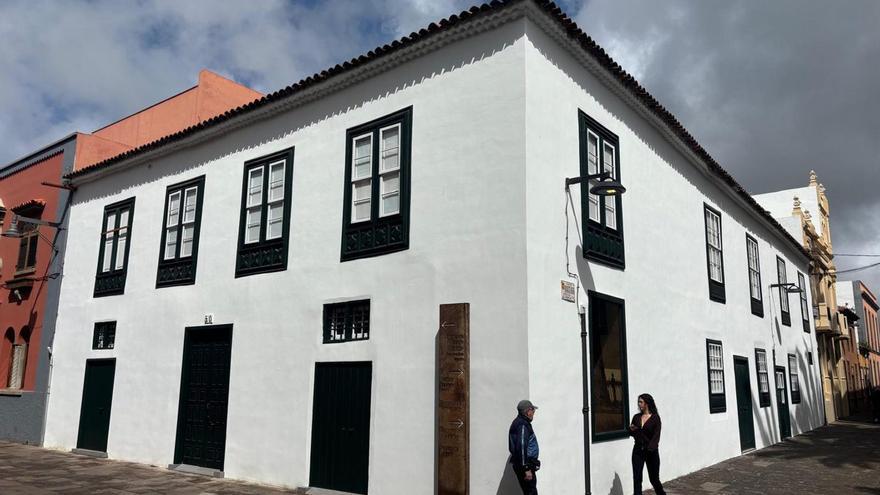
Despite these challenges, the profession is making progress in other areas. A new Code of Ethics, set to take effect in April 2026, will help nurses navigate modern issues like artificial intelligence and evolving care models. The sector is also strengthening its commitment to research and training through partnerships with the University of La Laguna and the development of new collegiate training institutes. Additionally, the 'Solidaridad Enfermera' NGO continues its vital work supporting vulnerable groups, and progress is being made on a House-Museum project in La Laguna to preserve the profession's history.
However, safety remains a major concern. Nurses are facing an increase in physical aggression and are suffering from the emotional toll of chronic overwork. The College is clear: the healthcare system cannot remain sustainable if it relies on the precarious conditions of its staff. As the profession advocates for greater empowerment to save lives, nurses in the Canary Islands are calling for professional justice to become a central priority of future healthcare policy.