
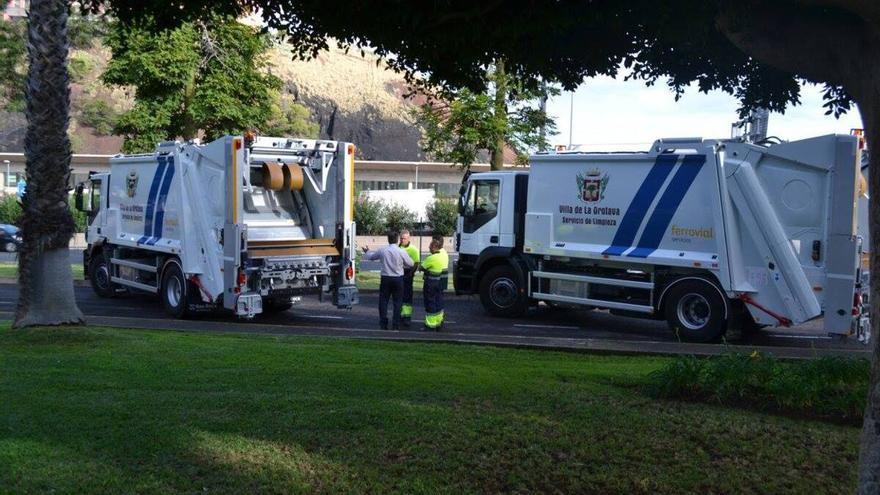
Canary Islands Municipality Rejects Spain's New Waste Tax, Cites Unfair Burden
La Orotava's City Council has voted to exclude Spain's new waste tax from its 2026 budget, citing unfairness and a lack of consideration for the municipality's unique terrain and size, while also approving a 60 million euro budget with increased funding for social services and infrastructure.
The Canary Islands are facing significant challenges with Spain's new waste tax, and municipalities are pushing back. La Orotava, for instance, has declared its opposition to the increased fee, with its local council voting to scrap the new waste collection charge formula for 2024. This stance was reinforced this Friday, November 21st, as the town council confirmed the "basurazo" (waste tax hike) would not be implemented in 2026 by excluding it from next year's budget.
Mayor Francisco Linares (CC) stated that the town would "fight" to avoid applying the tax. He was clear that, for now, the "basurazo" would not be applied in La Orotava. Decisions would be made later, once studies are complete, especially considering La Orotava's status as an outermost region, which requires specific calculations.
Despite this, the 2026 budget includes two million euros to tender a new waste collection service. The actual cost of the "basurazo" for residents will be assessed once this new waste management system is in place. Currently, if the tax were applied with the existing service, a resident in the San Antonio neighborhood could see their bill rise from around 80 euros to approximately 120 euros. The local government argues the "basurazo" is unfair, as it doesn't account for the island's terrain or the size of different areas. La Orotava is Tenerife's largest municipality, covering 270 square kilometers and including a significant portion of a national park.
The La Orotava City Council's budget for the upcoming year is set at 60 million euros, an increase of over seven million euros from the current year. Culture, Education, Sports, Youth, Festivals, and Heritage will receive 11 million euros, or 18.3% of the budget. In education, the council is launching a municipal scholarship program with nearly 2.3 million euros, a 12% increase from 2025. The budget is scheduled for approval at a council meeting next Monday, November 24th.
Felipe David Benítez, the Councilor for Economy and Finance, outlined the budget's key points, emphasizing growth across all areas without raising taxes or fees. He also highlighted that residents are saving one million euros through discounts and bonuses for large families, pensioners, and people with disabilities. Benítez noted that property tax payments (IBI) have decreased over the past decade, with a family now paying 271 euros compared to 377 euros ten years ago.
The two million euros allocated for the new waste collection contract are part of a larger investment plan for services, totaling 23 million euros. This plan also includes hiring nine local police officers in 2026, with a budget of four million euros.