
Canary Islands Limpet on Brink of Extinction as Conservation Efforts Fail
New research from the University of La Laguna warns that the Patella candei limpet faces extinction in the Canary Islands, with the species now restricted to a single peninsula due to illegal harvesting and reproductive failure.
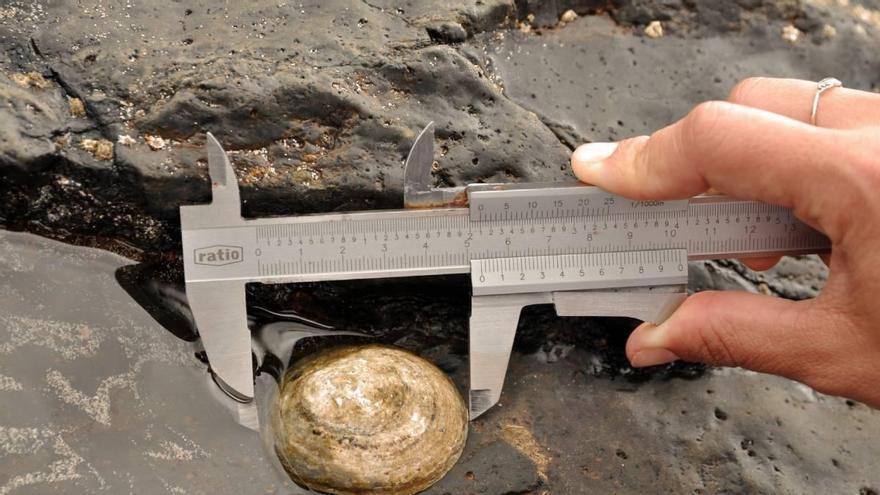
The Patella candei limpet is on the brink of extinction in the Canary Islands. New research from the University of La Laguna, published in Aquatic Conservation: Marine and Freshwater Ecosystems, reveals that this native mollusk is now found in only one small area: the Jandía Peninsula in southern Fuerteventura.
The study, led by Marina Aliende Hernández, shows that current protection efforts have not worked. Despite a 2015 law that banned harvesting and created protected zones, the limpet has virtually disappeared from the rest of Fuerteventura and the nearby islet of Lobos.
The species is struggling because of its reproductive process. Because these limpets rely on external fertilization, their population density has become too low to successfully reproduce, creating a cycle that makes their recovery increasingly difficult. The Jandía Peninsula remains the only place they survive, largely because its rough surf makes it difficult for people to reach the area and illegally harvest them.
Beyond illegal harvesting, researchers are now looking at how climate change might be affecting the species. While more study is needed, rising air and water temperatures appear to be adding further stress to the population.
The research team argues that current passive regulations are no longer enough. They recommend a more active approach, suggesting that scientists should begin breeding the limpets in laboratories for reintroduction into the wild. They propose focusing these efforts on areas with ocean conditions similar to Jandía, which has proven to be the only environment capable of sustaining the species.