
Canary Islands Leverage Wine Industry to Revitalize Rural Economies
The Canary Islands have launched the "Dinamiza Rural" program to revitalize rural communities by integrating local winemaking with cultural, educational, and technical initiatives to boost economic sustainability.
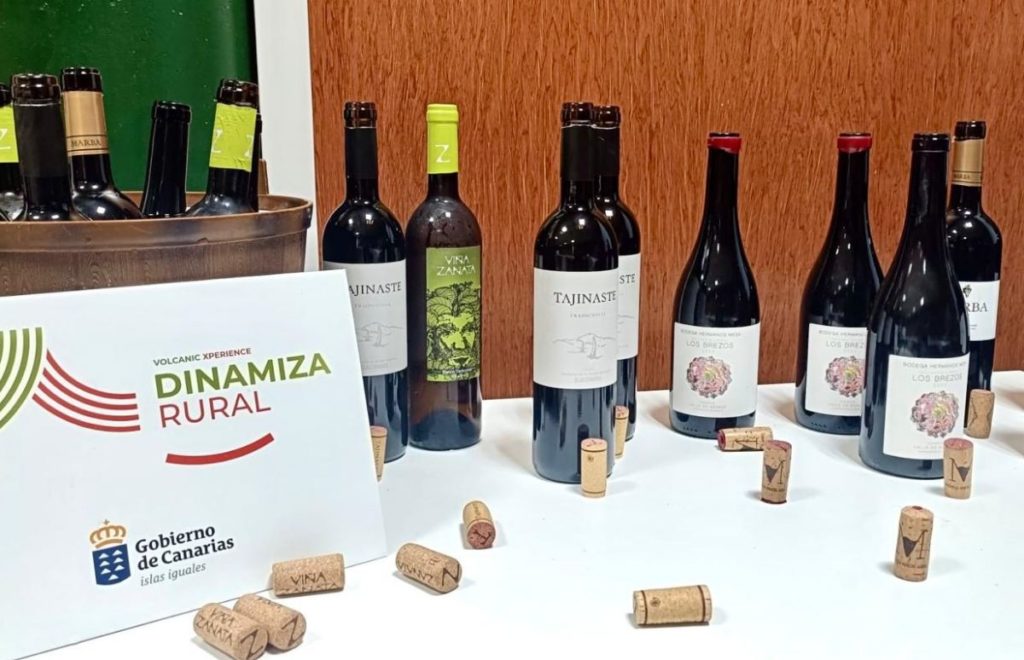
The Canary Islands are using their wine industry as a cornerstone to revitalize rural areas and combat economic decline. Through the "Dinamiza Rural" program—a partnership between the regional government, GMR Canarias, and FECAM—the north of Tenerife served as a pilot site in July. The initiative goes beyond simple marketing, aiming to weave local agriculture into the cultural and educational life of towns with fewer than 10,000 residents.
The program focused on three key areas, each tailored to local needs:
In La Matanza de Acentejo, the focus was on boosting product visibility. On July 18, the local market hosted an event that combined professional wine tastings with live music and workshops, attended by the Director General of Fisheries, Esteban Reyes.
La Victoria de Acentejo took a more technical approach on July 29 at the Casa El Deán Calzadilla. Expert Juan Jesús Méndez Siverio led a session on regenerative agriculture and sustainability—essential skills for farmers facing the growing challenges of climate change.
Meanwhile, Los Silos explored the intersection of agriculture and the creative arts. Its "Enogastro Los Silos" series, held throughout July, paired wine with literature, music, and storytelling. The program also provided training to help local hospitality staff better manage and present regional wines.
These efforts address a structural need in rural Canary Islands: the need to diversify the local economy. By professionalizing winemaking and providing producers with better marketing and technical tools, officials hope to improve competitiveness and encourage residents to stay in their communities. Ultimately, this public-private collaboration aims to turn the region's winemaking heritage into a sustainable economic engine that attracts visitors while preserving local identity against the pressures of global markets.