
Canary Islands’ LAV-C Marks 15th Anniversary With New Focus on Social Impact and Artist Advocacy
The Canary Islands Laboratory of Live Arts and Citizenship (LAV-C) has unveiled a new strategic program for its 15th anniversary, focusing on artistic research, social advocacy, and inter-territorial collaboration to drive cultural change.
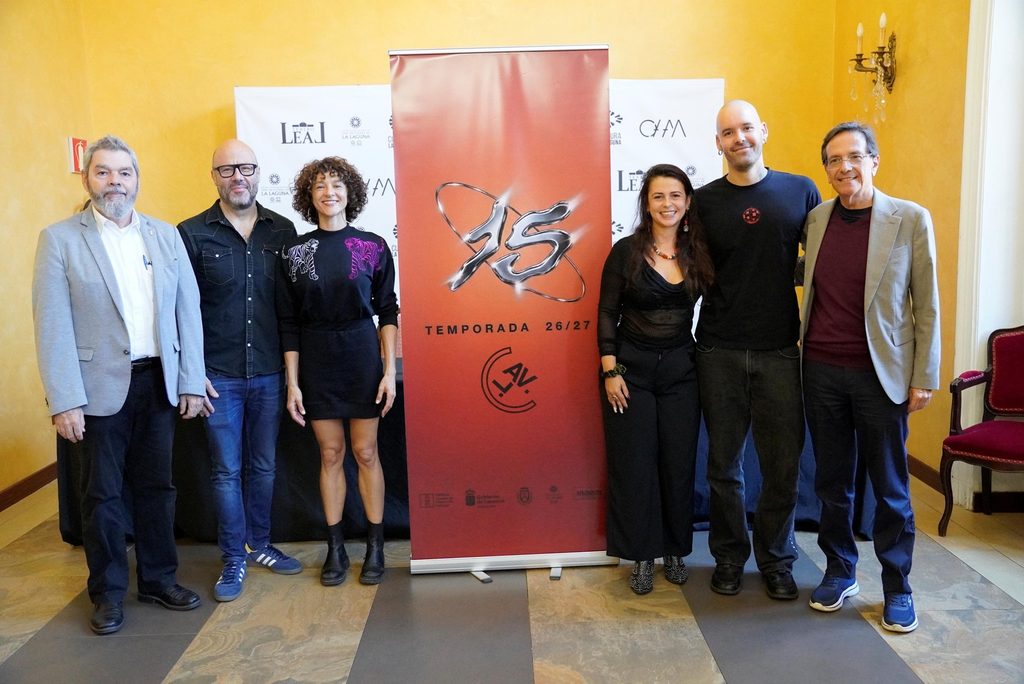
The Canary Islands Laboratory of Live Arts and Citizenship (LAV-C) has reached a major milestone as it prepares for its 15th anniversary. During a presentation at the Teatro Leal in La Laguna, directors Beatriz Bello, Darío Barreto, and Teresa Lorenzo unveiled their program for 2026/2027, shifting the focus from simple performances to the deeper political and social impact of the arts.
The new phase is built on three pillars: research, community mediation, and inter-territorial exchange. Recognizing the need for cultural policies to better reflect social realities, LAV-C is launching a study on the working conditions and well-being of artists. Supported by the Ministry of Culture and the Canary Institute of Cultural Development (ICDC), this initiative aims to provide much-needed data on the precarious nature of the sector in the islands.
Strong institutional backing from the Autonomous Organization of Musical Activities (OAAM), the Canary Islands Government, and the Island Council highlights the laboratory’s role in decentralizing culture. Beyond maintaining a steady presence at the Teatro Leal, the program is focused on helping local creators reach wider audiences. A key partnership with Sala Inestable in Valencia will serve as a bridge, allowing Canarian talent to reach the Spanish mainland and fostering collaboration between different creative communities.
At the heart of the project are its artistic residencies. These spaces act as hubs for experimentation, where artists from different backgrounds can share ideas and methods. By prioritizing decolonial and transfeminist perspectives, the laboratory aims to position the Canary Islands as a center for avant-garde performing arts—using the stage as a space to explore identity and drive social change.