
Canary Islands Launches Major Training Initiative to Tackle Construction Labor Shortage
The Construction Labor Foundation has launched a new training initiative in the Canary Islands to address the regional skilled labor shortage by certifying 125 unemployed individuals in specialized construction and safety protocols by 2026.
The construction industry in the Canary Islands is entering a new era with the launch of the ‘2025 Sectoral Project for the Construction Industry.’ Led by the Construction Labor Foundation (Fundación Laboral de la Construcción), this initiative aims to close the gap between the high demand for skilled workers and the current labor supply through an extensive training program running through the end of the year.
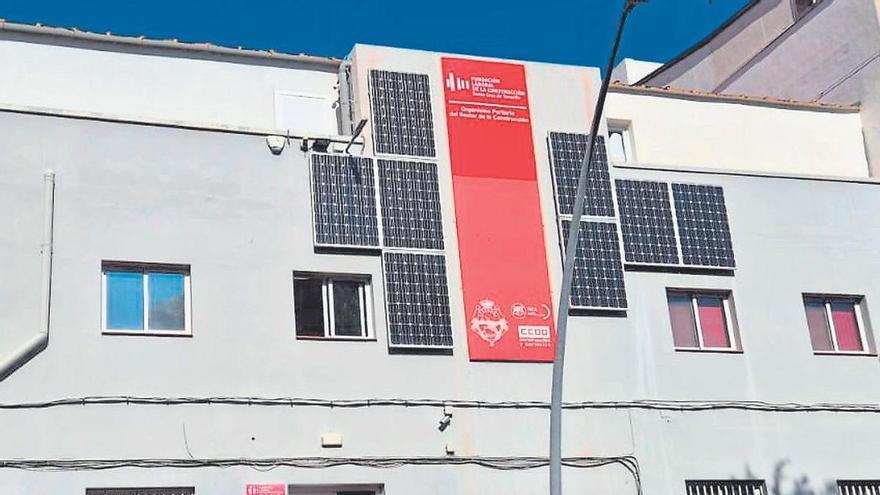
The program, which began in late February, offers eight specialized training paths. The first four are already underway at the organization’s headquarters in La Cuesta, Tenerife. Supported by the Canary Islands Employment Service and the SEPE, the project addresses a critical need: modernizing the workforce to meet the demands of industrialized building, renewable energy, and energy-efficient renovations.
Safety is a core focus of the program. Because the construction industry faces significant risks, every training path includes mandatory Occupational Risk Prevention (PRL) modules. These cover essential safety protocols, including operating heavy machinery, working at heights, navigating confined spaces, and assembling scaffolding. Experts emphasize that combining technical skills with these safety standards is essential for maintaining a stable and professional workforce under the VII General Sector Agreement.
The project is more than just a training course; it is designed to help people find work. By 2026, the Foundation expects 125 unemployed individuals to complete their training and earn the certifications needed to enter the job market. Through this roadmap, the Construction Labor Foundation hopes to solve the shortage of skilled workers while boosting the competitiveness of a sector that remains vital to the regional economy.