
Canary Islands Launches €4.4 Million Tender for New Public Housing in Guía de Isora
The Canary Islands Housing Institute has launched a 4.43 million euro tender to build 24 public housing units in Guía de Isora as part of a broader, EU-funded initiative to address Tenerife's critical affordable housing shortage.
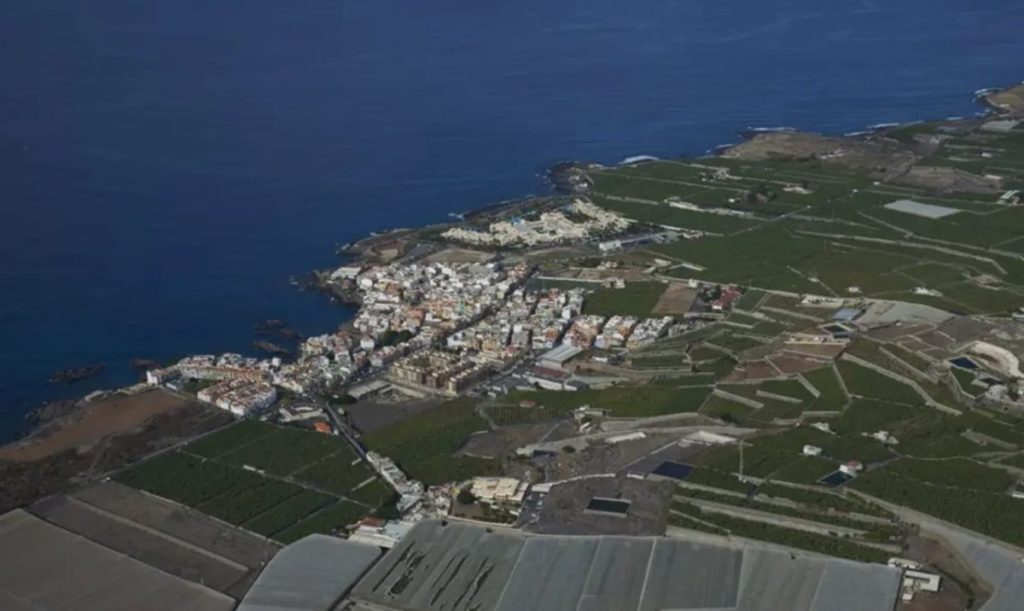
The Canary Islands Housing Institute (Icavi) has launched a new tender to build 24 public housing units in Guía de Isora, marking a fresh step in the region's housing strategy. The project, overseen by the Ministry of Public Works, Housing and Mobility, has a budget of 4.43 million euros.
This development is part of a broader initiative to build 134 subsidized homes, complete with parking, across Guía de Isora, Arona, and Adeje. The total investment for these projects is 29.8 million euros (excluding tax), funded by the EU’s Next Generation recovery plan. These homes are designed to meet modern energy efficiency standards.
These projects come at a critical time for southern Tenerife, where the housing market is under significant strain. High demand from the tourism sector and rising rental costs have made it difficult for the government to keep pace with the needs of local residents. While the regional government currently has 1,137 homes in various stages of development—from initial planning to final delivery—the gap between supply and demand remains a major challenge.
Across Tenerife, the government is working on a wide range of projects. Beyond the southern developments, construction and planning are underway in several municipalities, including Granadilla, San Miguel de Abona, Güímar, El Rosario, Los Realejos, Santiago del Teide, Arafo, and La Victoria de Acentejo. Additionally, significant investments are being made in the capital, with 263 homes in progress in Cuevas Blancas and María Jiménez, alongside 31 homes being renovated in Buenavista del Norte through the "Rehabita Canarias" program.
This situation highlights the complexities of public housing management, where bureaucratic processes and construction timelines often delay much-needed relief for residents. Although the government reports that 620 homes are currently under construction and another 496 are in the planning stages, the urgent need for affordable housing in the island’s busiest areas continues to test the effectiveness of these European-funded initiatives.