
Canary Islands Launch Seagrass Restoration Project to Revive Marine Ecosystems
Innoceana has launched a pioneering seagrass restoration project in the Canary Islands, utilizing laboratory-controlled germination to reverse the decline of vital Cymodocea nodosa meadows.
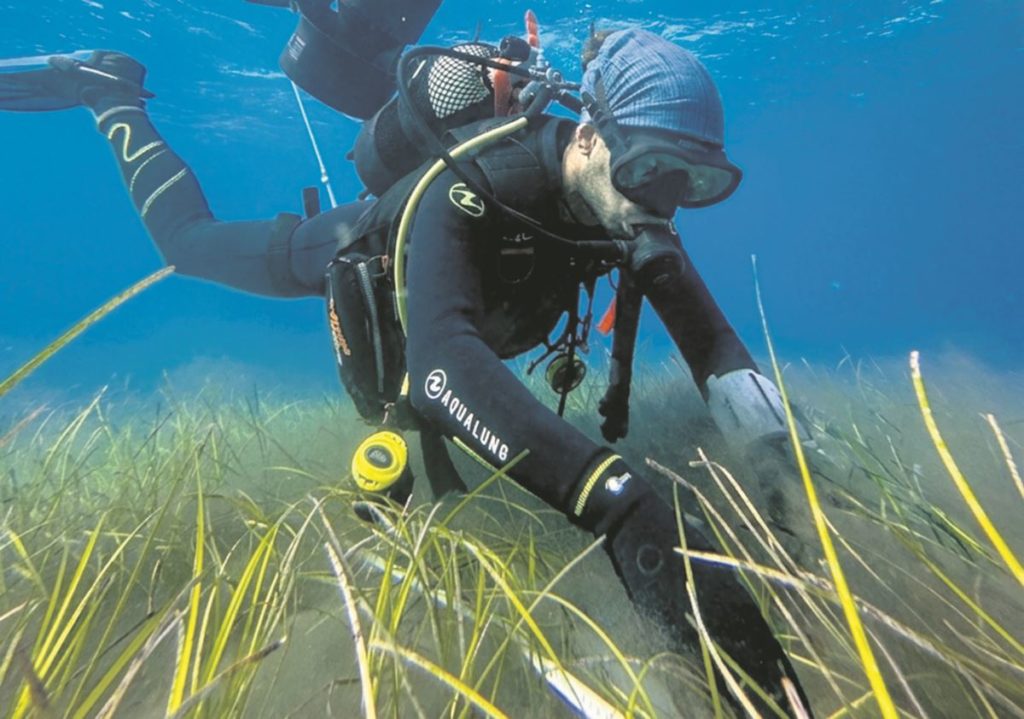
Marine ecosystem recovery in the Canary Islands has reached a major milestone with the launch of a new program to cultivate Cymodocea nodosa, a vital type of seagrass. The organization Innoceana, working with the Tenerife Island Council and the Ministry for the Ecological Transition (MITECO), has successfully finished the first phase of seed collection in the south of the island. This effort aims to reverse the long-term decline of the region's underwater meadows.
This project moves beyond simple observation by bringing regeneration efforts into the laboratory, supported by the University of Las Palmas de Gran Canaria. Using methods developed over 40 years of research, the team carefully collected genetic material from the bays of El Médano and La Jaquita. These sites were chosen specifically to ensure that the collection process does not harm existing colonies, meeting strict environmental standards.
The project is now in the critical stage of controlled germination. If successful, the seedlings could be replanted in the ocean within three months. This initiative is the result of eight years of fieldwork and public outreach by Innoceana, involving over a hundred people dedicated to protecting this natural heritage.
The need for this work is urgent: the archipelago has lost more than half of its seagrass meadows in recent decades. These plants are essential to the environment; they act as carbon sinks, stabilize the seabed, and provide breeding grounds for marine life, serving as a natural defense against climate change.
However, the project leaders emphasize that restoration alone is not enough. Human impact—including urban coastal pressure, water pollution, and, most significantly, damage from boat anchors—continues to threaten these habitats. For this "seed bank" project to succeed, it must be paired with better coastal management to ensure that the replanted seagrass can thrive in the long term.