
Canary Islands Launch Integrated Vocational and University Degree Program
The ICSE Integrated Center for Higher Education and the Fernando Pessoa Canary Islands University have launched a partnership that allows students to combine vocational training with university degrees to better prepare for careers in health and sports.
The Spanish education system in the Canary Islands is undergoing a major change. Historically, students have had to choose between either Vocational Training (FP) or a university degree. Now, a new partnership between the ICSE Integrated Center for Higher Education and the Fernando Pessoa Canary Islands University (UFPC) is breaking down those barriers.
This new model allows students to combine technical vocational training with the academic depth of a university degree. It is a response to a changing job market that increasingly needs "hybrid" professionals—people who possess both practical, hands-on skills and advanced theoretical knowledge, particularly in health and wellness.
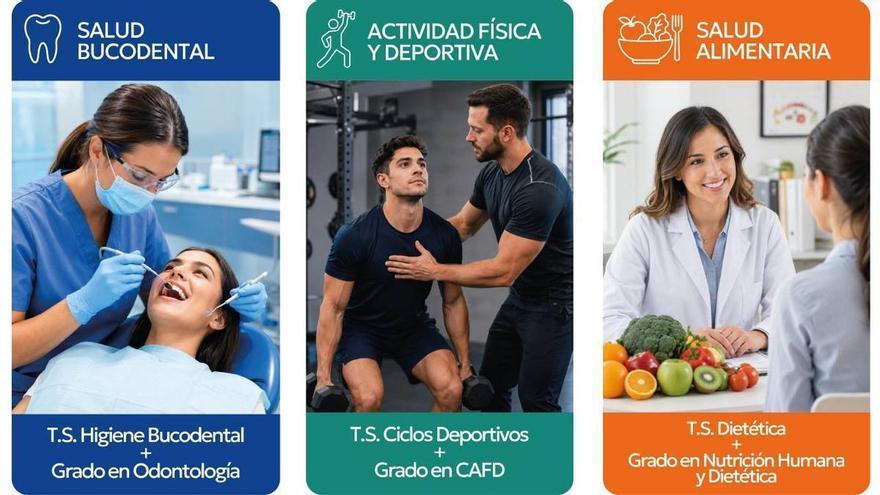
The program links four vocational courses directly to related university degrees:
- Dental Hygiene connects to Dentistry.
- Teaching and Socio-sporting Animation and Physical Conditioning connect to Physical Activity and Sports Sciences.
- Dietetics connects to Human Nutrition and Dietetics.
This approach offers several benefits. Students can earn a dual qualification, making them more competitive in the job market. By using UFPC facilities from their first year, vocational students gain early access to professional clinical environments. While the vocational training builds technical expertise, the university component provides the research, planning, and management skills needed for a long-term career.
By merging these two educational paths, the institutions hope to better prepare students for critical roles in areas like preventative healthcare, active aging, and oral health. This "integrated higher education" approach follows broader European trends, aiming to make learning more fluid and efficient by removing the repetitive or fragmented steps that have often hindered students in the past. Ultimately, the goal is to produce well-rounded professionals capable of tackling the complex demands of the modern healthcare and sports industries.