
Canary Islands Launch €1.1 Million Program to Protect Vineyards from Phylloxera
The Canary Islands government has launched a 1.1 million euro experimental program to protect its vineyards from phylloxera by testing American grapevine rootstocks across the archipelago.
Canarian winemaking is at a turning point as it faces the threat of phylloxera, an insect that has historically devastated vineyards worldwide. To protect the industry, the Canary Islands government has launched a five-year experimental program to test how well different American grapevine rootstocks can survive in the region. This initiative aims to safeguard production against the parasite while also addressing water shortages and the aging of existing vines.
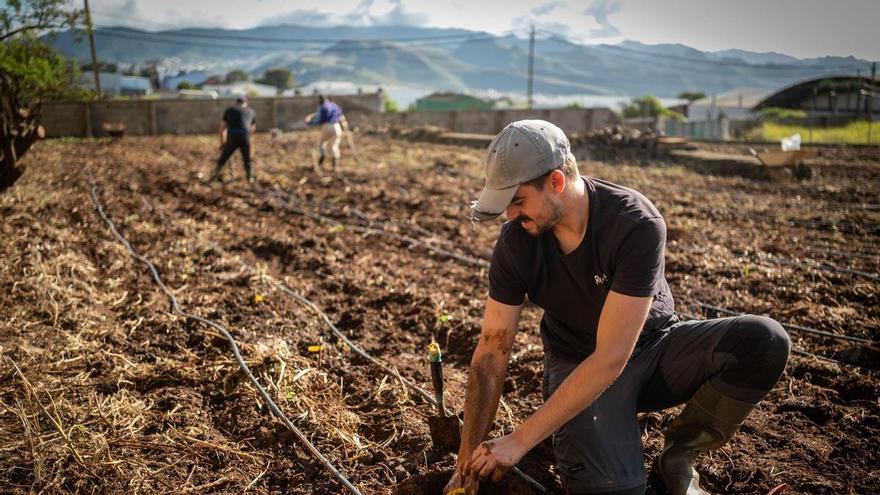
With a budget of 1.1 million euros for this year, the project is being carried out across several test plots throughout the islands. One of the primary hubs is the Morales estate in Los Baldíos, La Laguna, where local grape varieties are being grafted onto the new rootstocks. Narvay Quintero, the regional minister, confirmed that the situation is currently under control, with no new cases of phylloxera reported since November 2025.
Developed by a scientific committee last September, the project relies on collaboration with volunteer winegrowers across all protected wine regions. To support these trials, the government is providing 4,000 euros per plot for the initial setup, plus an additional 1,000 euros each year for four years to cover maintenance.
This research is more than just a biosecurity measure; it marks a major shift in how Canarian vineyards are managed. By using specialized grafting teams and rigorous monitoring, the government hopes to find solutions tailored to the unique climate and soil of each island. By repurposing fallow land, such as the farm in La Laguna, authorities are working to preserve local genetic heritage while ensuring the industry can withstand the environmental and health challenges of the future.