
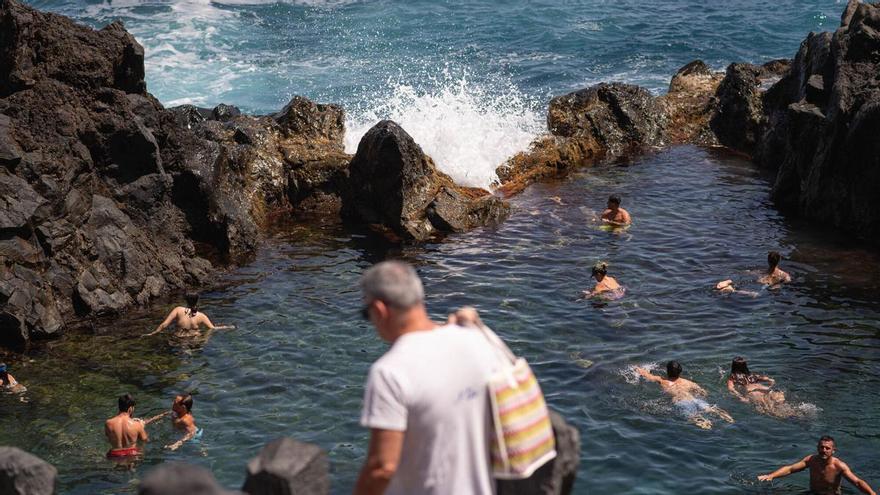
Canary Islands Issue Public Health Alert Over Extreme Solar Radiation
The Canary Islands have issued a major public health alert for extreme solar radiation levels, urging residents and visitors to take strict protective measures until July 17.
The Canary Islands are currently under a major public health alert due to extreme levels of solar radiation. According to the State Meteorological Agency (Aemet) and the Ministry of Health, this high-risk period is expected to last until July 17.
The intensity of the ultraviolet (UV) radiation varies across the islands. In Tenerife, areas like Vilaflor de Chasna and Santiago del Teide are at extreme risk, while the rest of the island faces very high levels. Gran Canaria is largely at the maximum alert level, with the exception of Gáldar, Agaete, and La Aldea de San Nicolás. Similar pockets of extreme risk have been identified in parts of La Palma, El Hierro, La Gomera, and Fuerteventura. Lanzarote and La Graciosa remain at a very high risk level.
Health experts warn that this situation should be taken seriously. High levels of UV radiation can damage the skin quickly, and it is a mistake to assume you are safe just because it is cloudy. Clouds may make it feel cooler, but they do not block UV rays, which can also be intensified by reflections from sand, sea foam, and light-colored pavement.
To prevent both immediate issues—like sunburn and eye irritation—and long-term health problems, such as premature aging or skin cancer, the General Directorate of Public Health recommends the following:
- Avoid direct sun: Stay out of the sun between 11:00 a.m. and 6:00 p.m.
- Use high-factor protection: If you must be outdoors, use sunscreen with an SPF of 50 or higher and reapply it every two hours.
- Wear physical protection: Use wide-brimmed hats, certified sunglasses, and protective clothing.
These precautions are necessary for all outdoor activities, including sports, commuting, hiking, and working. Vulnerable groups, such as children, the elderly, those on photosensitizing medication, and people with a history of skin issues, should be especially careful. Protecting yourself from the sun should be a part of your daily routine throughout this period of high solar intensity, not just when you are at the beach.