
Canary Islands Hotels Launch Circular Economy Initiative to Transform Food Waste into Local Fertilizer
The Circular Tourism Communities project in the Canary Islands is transforming hotel food waste into agricultural fertilizer to promote a sustainable, closed-loop economy across Tenerife.
The Canary Islands are making significant progress toward a more sustainable tourism model through the Circular Tourism Communities (CTC) project. Led by Ashotel and Asaga Canarias-Asaja, the initiative aims to create a closed-loop system where hotels manage their organic waste by turning it into resources for local farms. This is especially important for Tenerife, where the island’s reliance on imports and limited land make environmental efficiency and economic stability vital.
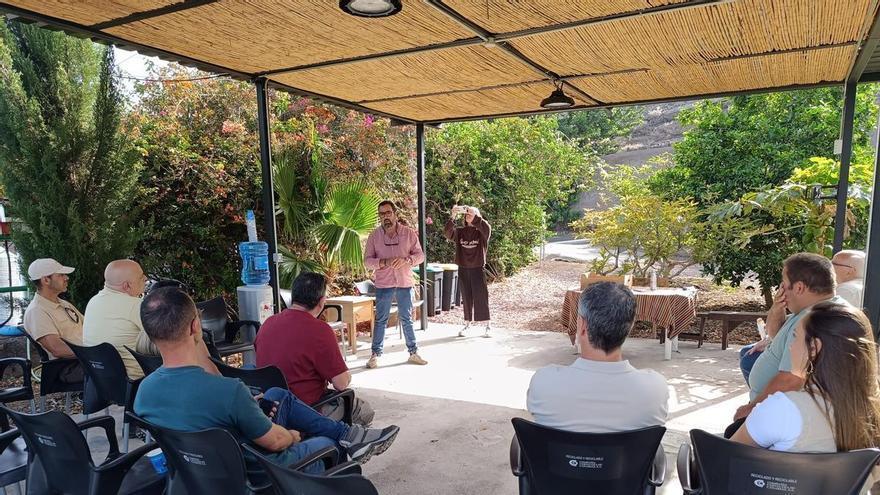
Coordinated by the Innovaris Group, the program has already trained 161 industry professionals, helping them apply circular economy principles to their daily operations. The training focuses on four key areas: the safe use of compost, reducing food waste in hotel kitchens, conducting internal efficiency audits, and prioritizing "kilometer zero" products. The ultimate goal is to turn food scraps from hotel buffets and restaurants into fertilizer for local fields, which then supply fresh produce back to those same hotels.
Over 30 hotels in Adeje, San Miguel, and Arona have participated in this phase. The project has moved beyond theory, involving practical audits at 14 establishments and technical visits to composting facilities like Finca Serviagroc. By acting as "living laboratories," these hotels have helped test and refine how food waste is separated and managed.
This shift is essential as European and national regulations move away from the traditional "use and throw away" model. By treating organic waste as a valuable resource rather than trash, Tenerife’s tourism sector is working to lower its carbon footprint while strengthening its relationship with local agriculture. Participants have praised the project for its practical approach—using everything from digital tools to local food workshops to ensure sustainability is a standard business practice rather than just a concept.
With these successes, Ashotel is positioning the hotel industry as a driver for positive change, proving that efficient resource management can be both a competitive advantage and a way to better support the island’s environment and community.