
Canary Islands High Court Upholds Five-Year Sentence for Corruption of Minors
The High Court of Justice of the Canary Islands has upheld a five-year prison sentence for a man convicted of corrupting minors at a foster care center, reinforcing the legal weight of consistent victim testimony in sexual offense cases.
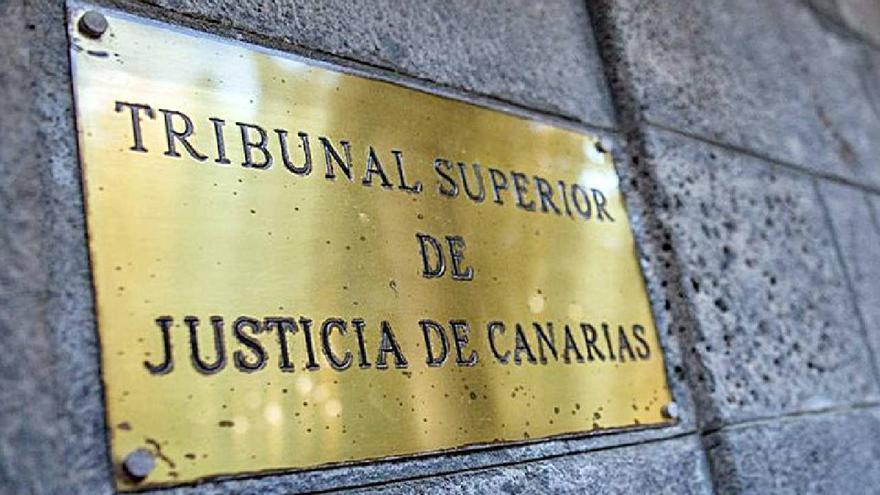
The High Court of Justice of the Canary Islands (TSJC) has upheld a five-year prison sentence for a man convicted of corrupting minors. This ruling reinforces how courts should weigh the testimony of minors in cases involving sexual offenses. The court rejected the defense’s appeal, confirming the original sentence handed down by the Provincial Court of Santa Cruz de Tenerife.
The case involves events that took place between August 2023 and February 2024 at a foster care center. The investigation began after the center’s management raised internal concerns. The court placed significant weight on the testimony of the center’s director, whose intervention was crucial in uncovering how the man lured the victims—aged 13 to 15—during outings by offering them money, tobacco, or gifts in exchange for sexual acts.
In addition to the prison term, the court imposed several strict measures: five years of supervised release, a five-year restraining order preventing the man from contacting or coming within 300 meters of the victims, and an eight-year ban from any professional or volunteer work involving minors. He has also been stripped of parental authority and guardianship for eight years.
The defense had argued that there was a lack of objective evidence, questioned the minors' credibility, and claimed the defendant did not know the girls' ages. However, the court dismissed these claims by applying established legal standards for testimonial evidence, noting the consistency of the victims' accounts, the lack of ulterior motives, and the presence of supporting evidence. While video recordings did not capture the sexual acts, they confirmed the man’s frequent visits and the exchange of gifts. Combined with his evasive behavior when questioned by the center’s director, this evidence was enough to disprove his defense.
The TSJC also upheld the classification of the case as a continuous criminal offense. The court ruled that because there were multiple victims and repeated acts, a harsher sentence than the legal minimum was appropriate. This decision strengthens the legal protection of minors, confirming that consistent and corroborated testimony is sufficient to overcome the presumption of innocence in cases involving vulnerable victims.