
Canary Islands Healthcare Crisis Deepens as Doctors Plan New Strikes
Doctors in the Canary Islands are planning further strikes to protest stalled professional regulations, exacerbating a healthcare crisis that has already resulted in thousands of canceled surgeries and consultations.
Public healthcare in the Canary Islands is at a breaking point as doctors prepare for a new national strike. The medical community is protesting the current Framework Statute, demanding specific professional regulations that have remained stalled despite multiple meetings with the Ministry of Health.
This tension, affecting both primary care and hospitals, is being compounded by a regional strike planned for late April and early May. Doctors are using these strikes to pressure the Canary Health Service (SCS) to honor commitments made three years ago. Unfortunately, this ongoing crisis is taking a heavy toll on patients.
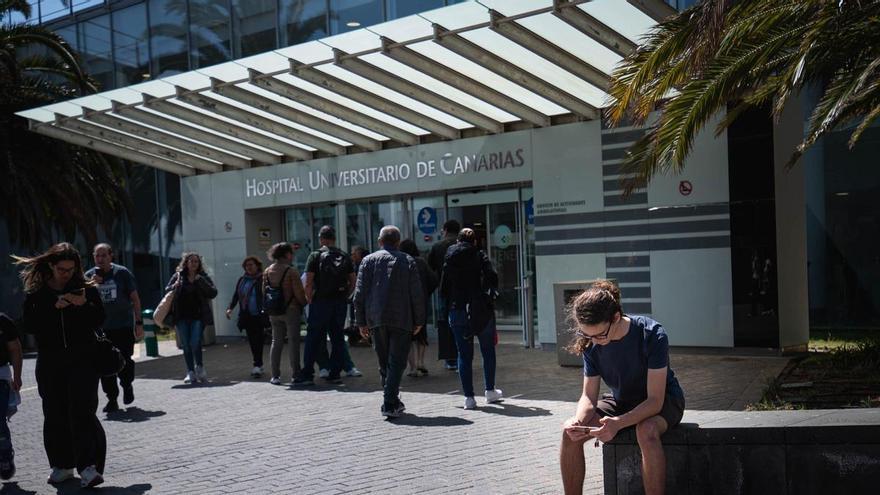
While many people support the doctors’ demands—fearing that the loss of medical talent to other regions threatens the quality of care—public trust is eroding due to poor communication. Many patients have traveled to facilities like the Ofra or the University Hospital of the Canary Islands (HUC) only to find their appointments or surgeries canceled without notice. In some cases, this has meant losing appointments that were booked months in advance.
The impact is significant: in March alone, the Ministry of Health reported 16,000 canceled consultations and 345 canceled operations. These disruptions lead to massive delays, with some outpatient services, such as otolaryngology, facing wait times of months or even years. While regulations require that urgent, cancer, and dialysis care remain available during strikes, the reality for many patients falls short of these legal guarantees.
Ultimately, these strikes highlight deeper, structural issues within the healthcare system. Patients often distinguish between the high quality of the medical staff and the inefficiency of the administration. There is a growing consensus that a political solution is urgently needed—one that goes beyond the current strikes to ensure the long-term sustainability of healthcare across the islands.