
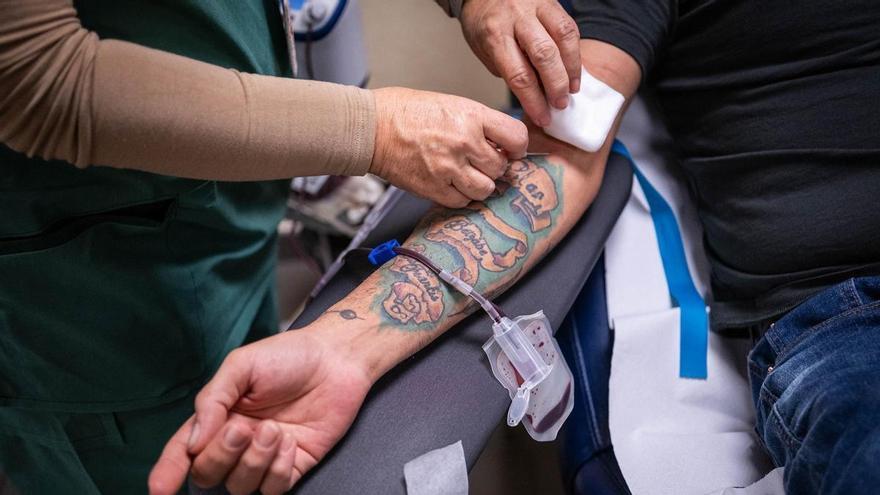
Canary Islands Health Service Launches Summer Blood Donation Drive
The Canary Islands Health Service has launched an archipelago-wide campaign to bolster blood reserves ahead of the summer season through an expanded network of mobile units and hospital donation points.
The Canary Islands Health Service (SCS) has launched a campaign to boost blood donations ahead of the summer, a time when holiday travel often leads to a drop in hospital reserves. The Directorate General for Blood Donation and Hemotherapy is urging people to donate at least twice a year to ensure that hospitals can continue to provide essential care and perform surgeries.
To make donating easier, the SCS is combining hospital services with an intensive schedule of mobile units across the islands.
In Tenerife, mobile units will visit Candelaria, San Miguel de Abona, La Orotava, La Laguna, and Adeje. This weekend, blood drives will be held at the Club Mar Radazul, while the University Hospital of the Canary Islands and the Nuestra Señora de Candelaria Hospital will offer special weekend hours.
Next week, teams will rotate through several locations, including the Puntalarga Sports Pavilion in Candelaria, the El Trompo Multicenter in La Orotava, Finca España, the Plaza de la Catedral in La Laguna, and near Leroy Merlin in Adeje. Permanent donation points also remain open in Santa Cruz de Tenerife, Granadilla de Abona, San Juan de Dios Hospital, and Hospiten Bellevue.
This initiative is taking place across all the islands. In Gran Canaria, mobile units will visit the Las Arenas Shopping Center, the Gran Canaria Arena, Tamaraceite, San Mateo, and Santa Lucía de Tirajana, alongside the island's hospital network. Similar facilities are also operating in Fuerteventura, Lanzarote, La Palma, La Gomera, and El Hierro.
Because blood cannot be manufactured and its components have a limited shelf life, regular donations are vital. To donate, you must be between 18 and 65 years old (or up to 60 for first-time donors), weigh over 50 kilograms, have no medical issues that prevent donation, and not be pregnant. This campaign aims to prevent seasonal shortages and ensure that hospitals have the resources they need to care for patients without interruption.