
Canary Islands Health Service Fined 60,000 Euros Over Delayed Scan and Patient Death
A court has ordered the Canary Islands Health Service to pay 60,000 euros to the parents of a 24-year-old man who died due to a delay in interpreting a medical scan that missed a potentially fatal vascular condition.
A court has ordered the Canary Islands Health Service to pay 60,000 euros to the parents of a 24-year-old man who died after a delay in interpreting a medical scan.
The young man had been diagnosed with pulmonary pseudoaneurysms, a serious vascular condition. A scan to check on his condition was scheduled as a routine, non-urgent procedure on April 12, 2019. The report detailing the scan's findings wasn't completed until April 22, five days after the patient had already died on April 17.
The Administrative Litigation Court number six of Las Palmas de Gran Canaria ruled that while there wasn't direct medical malpractice, the delay in interpreting the scan resulted in a lost opportunity for care. The court stated that given the patient's history, the scan should have been treated with more urgency.
The patient had a history of blood clots since 2016, including a cerebral venous thrombosis and a saphenous vein thrombosis. He had also been treated for fever, chest pain, and cough, with tests revealing pulmonary thromboembolism and an intracardiac mass. Despite these issues, he was considered clinically stable when the Angio-CT scan was requested in February 2019.
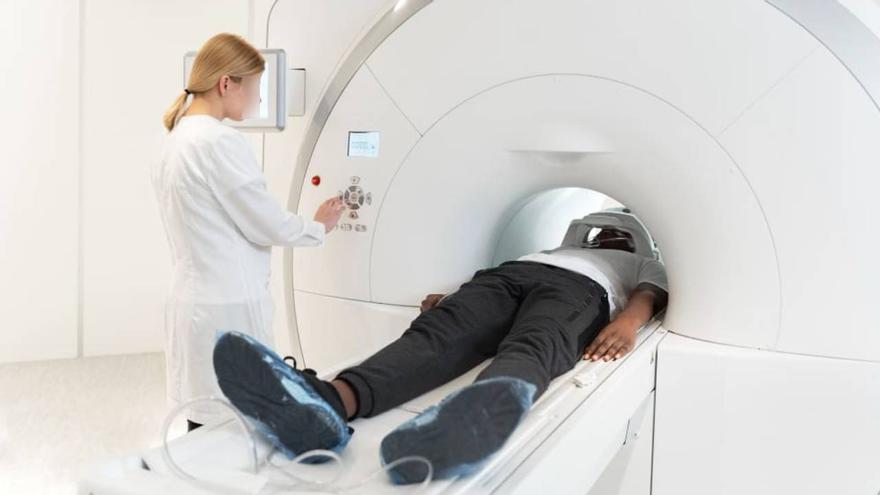
The scan was performed on April 12, but the technician who carried it out could not interpret the results. A radiologist was meant to review it later as part of their normal workload. The patient died suddenly five days later, before the report was finalized.
When the report was eventually issued on April 22, it revealed pseudoaneurysms in the pulmonary arteries, which had not been seen in earlier scans. These are rare and potentially fatal conditions that can cause severe bleeding and typically require immediate specialist attention.
The court acknowledged that the patient's medical history, including previous thrombotic episodes and inflammatory disease investigations, should have prompted a more urgent review of the scan. The Rheumatology Service itself indicated that if the results had been known sooner, anticoagulation and immunosuppressive treatments would have been reviewed, and urgent surgical or endovascular evaluation would have been considered.
The patient's family had sued for approximately 182,000 euros, arguing that the delay in interpreting the scan led to the loss of a chance to save his life. The Health Service argued that the patient was stable, previous scans didn't show pseudoaneurysms, and the rarity of his suspected underlying condition meant an earlier diagnosis might not have changed the outcome.
However, the judge concluded that while direct malpractice couldn't be proven, the delay meant a "real, albeit not certain" possibility of treating a potentially reversible condition was missed. This led to the order for compensation. The ruling can be appealed.