
Canary Islands Government Overrides Local Opposition to Approve Arona Solar Project
The Canary Islands government has authorized the "Llano de los Bebederos I" solar project in Arona, overriding local opposition by declaring the development a matter of public utility despite concerns over its impact on protected rural land and nearby residential areas.
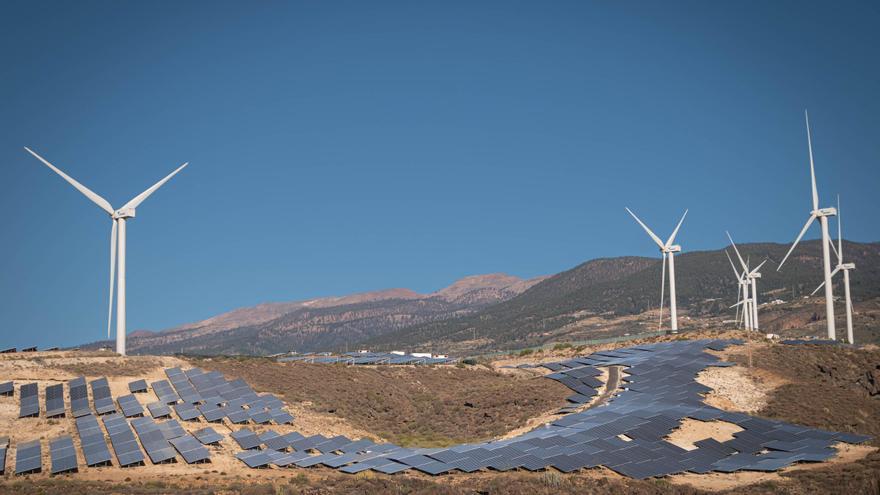
The Canary Islands government has approved the "Llano de los Bebederos I" solar project in Arona, highlighting the ongoing struggle to balance renewable energy goals with the protection of rural land. The project, led by the company Disa, has sparked debate over how renewable infrastructure is implemented in Tenerife, particularly after the government used its power to override local concerns by declaring the project a matter of "public utility."
The project will feature 8,610 solar panels spread across five hectares, with a capacity of nearly five megawatts. However, the primary point of contention is the power line needed to connect the plant to the grid. This route passes through land protected by the Tenerife Island Planning Plan (PIOT)—areas that are typically off-limits for such development. The Tenerife Island Council (Cabildo) had previously opposed this route, suggesting alternatives and raising concerns about the loss of valuable agricultural land and the project's impact on the landscape.
Despite these objections, the regional government issued Decree 101/2026, declaring the project to be of general interest and allowing for changes to local planning rules. This move grants the developer the authority to expropriate land for the power line if they cannot reach an agreement with property owners, with a construction window of five to eight years.
Arona’s local government remains critical of the plan, citing the plant’s proximity to homes—just 220 meters away—and the importance of this land for the municipality's future.
The project must now meet several strict conditions before moving forward. These include conducting archaeological surveys, protecting local wildlife like the Eurasian stone-curlew, and relocating native plants. Additionally, public health officials have mandated that the company monitor electromagnetic fields and control noise and dust levels during construction. The start of work is strictly conditional on meeting these environmental and safety requirements.