
Canary Islands Government Overrides Local Council to Approve Adeje Solar Battery Project
The Canary Islands government has invoked emergency powers to mandate the installation of a battery storage system at the Los Vallitos solar plant, overriding local land-use objections to boost regional energy efficiency.
The Canary Islands government has issued a decree mandating the installation of a battery storage system at the Los Vallitos solar plant in Adeje. This decision marks a significant shift in regional energy policy, as it overrides objections from the Tenerife Island Council (Cabildo) regarding the project's compliance with local land-use planning.
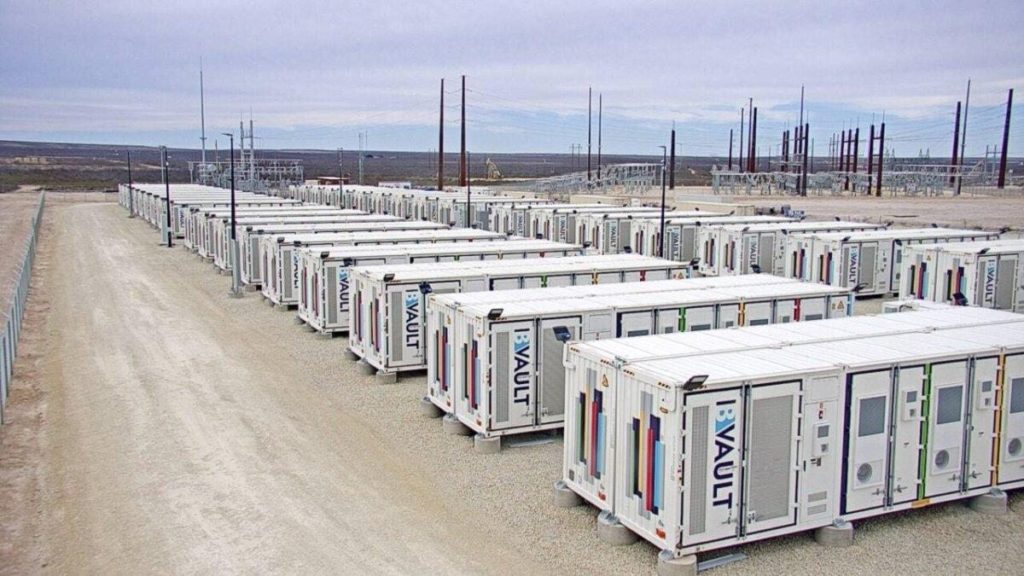
The project, led by San Eugenio, S.A., involves adding three lithium-ion battery units—each with a 3.2 megawatt-hour capacity—to the existing 4.8-megawatt solar farm. By storing energy underground, the plant aims to supply 7,335 megawatt-hours of electricity annually to the Tenerife and La Gomera grid, helping to reduce energy waste and improve efficiency.
The conflict stems from the land's classification. The Tenerife Island Planning Plan (PIOT) designates the site as a protected area for environmental conservation. Despite the Island Council’s repeated opposition and the lack of a report from the Adeje City Council, the regional government has invoked special powers under the Canary Islands Electricity Sector Law. By citing the 2019 Climate Emergency and the 2023 Energy Emergency declarations, the government has prioritized the project as a matter of urgent public interest.
The project, which will cost approximately 2.3 million euros, has been approved by the General Directorate of Environmental Quality. Officials estimate it will prevent the emission of 6,051 tons of CO2 each year. As part of the approval, local urban planning rules will eventually be updated to align with the new infrastructure.
This decree is final at the administrative level, but it is likely to face legal challenges. Opponents have one month to request a reconsideration from the regional government or two months to file a lawsuit with the High Court of Justice of the Canary Islands. The court will ultimately decide whether the government’s push for energy infrastructure outweighs existing territorial planning regulations.