
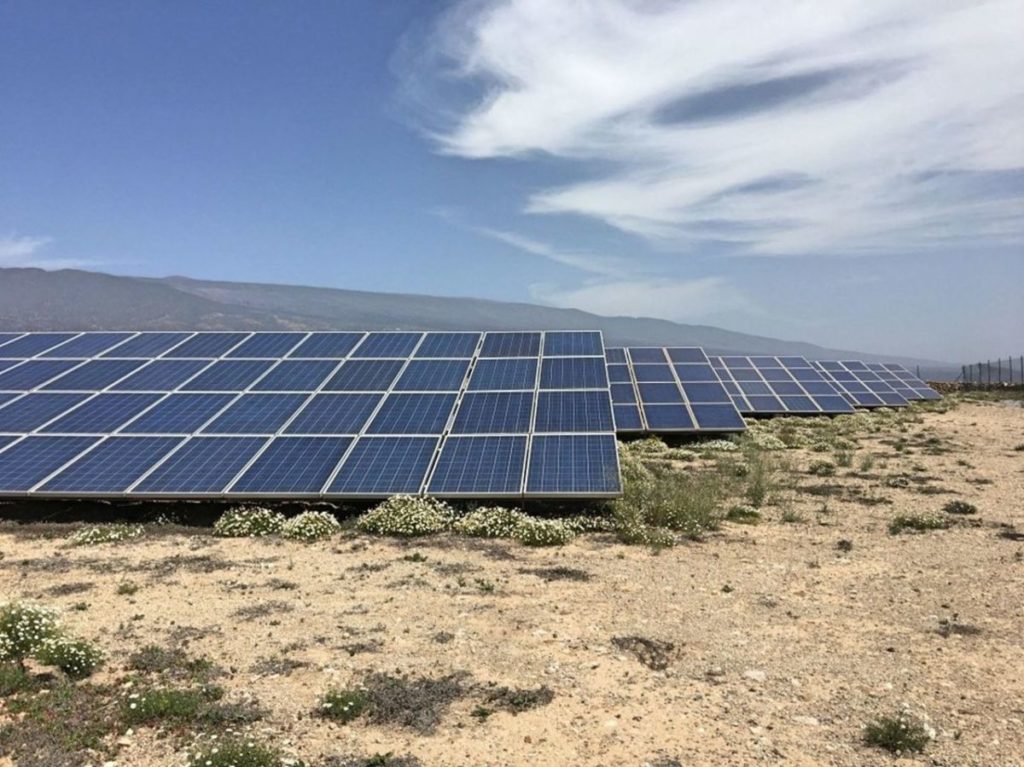
Canary Islands Government Bypasses Local Opposition to Fast-Track Tenerife Solar Project
The Canary Islands government has bypassed local opposition to fast-track the La Estrella solar project in Tenerife, citing an urgent need to meet 2030 renewable energy targets.
Tensions are rising between the Canary Islands Government and local authorities in Tenerife over the forced approval of the La Estrella solar power plant. The regional government has bypassed opposition from the Arona City Council and the Tenerife Island Council (Cabildo) by using an emergency procedure to fast-track the project.
This is the second time the regional government has used this strategy near the Hospital del Sur. Officials argue the move is necessary to address a significant shortfall in solar power; the island currently produces 158 megawatts, well short of the 343.2-megawatt target set for 2030. Citing the Canary Islands Electricity Sector Law, the government has ordered work to begin immediately, requiring local authorities to update their urban planning rules to accommodate the project.
The 3.41-million-euro project, led by Iberdrola Renovables Canarias, will install 7,700 solar panels with a 4.5-megawatt capacity. Located on unused agricultural land, the plant is expected to generate nearly 10,000 megawatt-hours of energy annually, reducing carbon dioxide emissions by 6,189 tons each year. The power will be sent to the Chayofa substation via underground cables.
Local institutions remain critical of the government’s approach. The Arona City Council argues that the project conflicts with current urban development plans and land laws, claiming there is no proven public interest to justify the site. The council also raised concerns about the unauthorized use of public paths. Meanwhile, the Tenerife Island Council has cited issues with landscape integration, insufficient technical planning for earthworks, and potential interference with local water infrastructure.
The project’s approval process has also been complicated by administrative gaps. After the plant's layout was modified, the project did not receive a final response from the Natural Environment department. Local authorities now have one month to file an appeal or two months to take the matter to the High Court of Justice of the Canary Islands (TSJC).