
Canary Islands’ Gofio Production Rises as Local Consumption Declines
Despite a steady rise in production driven by exports, the traditional Canarian staple gofio is disappearing from local households as shifting dietary habits threaten the future of the islands' historic mills.
Gofio, a staple of the Canary Islands' diet, is currently facing a strange paradox: while production has steadily climbed over the last decade, the product is disappearing from local kitchen tables. A recent report on traditional mills in San Cristóbal de La Laguna shows that production rose from 5.68 million kilograms in 2014 to 6.74 million in 2024—an 18.7% increase.
However, these figures don't tell the whole story. Master millers point out that this growth is largely driven by exports, which accounted for 1.7 million kilograms last year, rather than local demand. Shopping habits have also shifted; families who once bought gofio in bulk now purchase it in smaller, one-kilogram bags. Producers believe this change is due to the rise of processed snacks and a decline in traditional eating habits among children, a trend that threatens the future of this centuries-old trade.
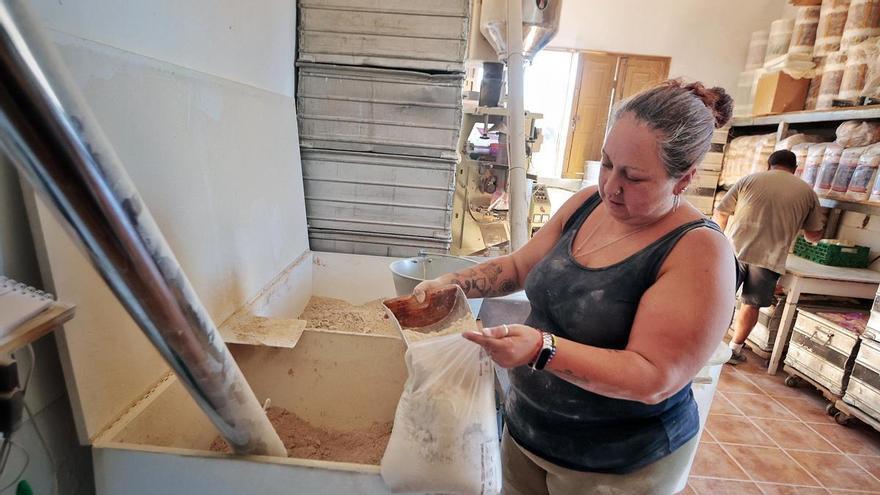
In La Laguna, the heart of the industry, families are working hard to keep historic mills alive. Businesses like ‘La Molineta,’ dating back to 1866, and the ‘Las Mercedes’ mill, which opened in 1942, are fighting to preserve the traditional craft of stone-grinding and roasting grain. These mills were once vital for survival during the postwar era, and today, local authorities are trying to honor that legacy through school programs and public awareness campaigns.
With 37 mills still operating across the islands—11 of which are in Tenerife—the industry is calling for more support. Producers argue that gofio is a key part of Canarian identity and needs better promotion through tourism and cultural initiatives to help reconnect younger generations with their culinary roots. Without this, there is a real risk that this essential food could fade into a mere relic of the past.