
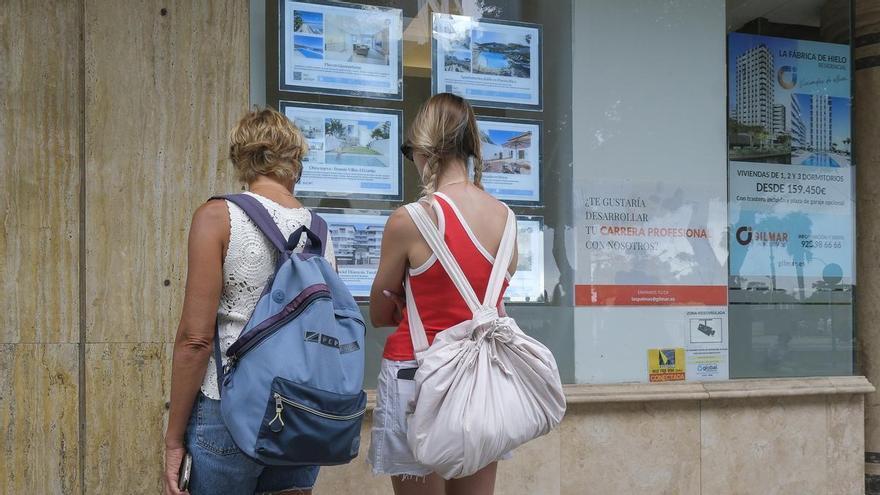
Canary Islands Finalizes Legal Framework for Youth Mortgage Scheme
The Canary Islands government has finalized a legal framework for a new mortgage initiative that allows young buyers and families to secure up to 95% financing, aiming to reduce initial deposit requirements by the end of the year.
The Canary Islands government has finalized the legal framework for the "Canarian Youth Mortgage," a new initiative designed to help first-time buyers get onto the property ladder. The program aims to bridge the gap between what buyers can save and the strict requirements set by banks, which typically only cover 80% of a home’s value.
By allowing mortgage coverage to increase to 95%, the program targets three main groups: people aged 18 to 40, large families, and single-parent households (with no age limit). Instead of using direct grants, the government will use a revolving fund fueled by loan repayments, ensuring the program can continue indefinitely without a fixed limit on the number of beneficiaries.
While this measure does not change property prices or eliminate the need for savings, it significantly lowers the initial deposit required. For a 200,000-euro home, for example, the upfront capital needed would drop from 40,000 euros to 10,000 euros, provided the buyer meets residency and financial requirements. The program applies to homes priced up to 250,000 euros, excluding taxes and fees.
Participation is not automatic. Applicants must pass a risk assessment by participating banks, which will manage the process. The government has also set income limits based on the IPREM (a public income indicator), which are adjusted depending on family size and the number of dependent children.
Although the decree is now approved, the program cannot launch until the government signs formal agreements with banks. Pablo Rodríguez, the Minister of Public Works, Housing, and Mobility, expects these partnerships to be finalized over the summer, with the goal of having the system fully operational by the end of the year. The initiative is a direct response to the growing difficulty young people face in buying their first home, as high deposit requirements have become the biggest hurdle for new buyers.