
Canary Islands Farmers Pivot to Digital Models to Secure Future
Canary Islands farmers are increasingly turning to digitalization and direct-to-consumer sales models to overcome rising operational costs and ensure the long-term viability of local agriculture.
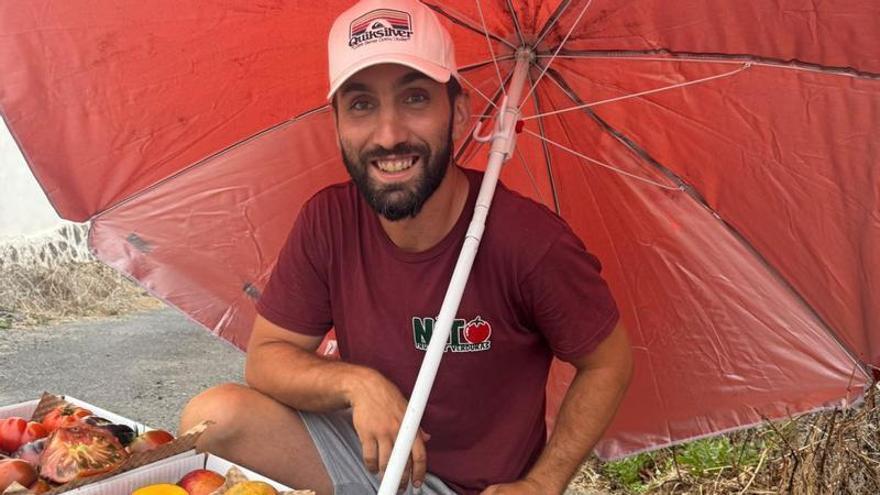
Agriculture in the Canary Islands is at a turning point. Farmers are struggling with high operating costs, water shortages, and the difficulty of passing farms down to the next generation. To survive, producers must now find ways to overcome the challenges of island life and compete with global markets. The business model of Sergio "Nito" Rodríguez offers a clear example of how digitalization and direct sales can help farms thrive.
What started over a decade ago as a small social media project has grown into a company employing 50 people. With physical shops in Tejina and Tegueste, as well as an online store, the business shows how farmers can take control of their own value chain. A viral marketing campaign in 2021 proved that digital tools are highly effective at connecting local farmers with customers who value transparency and locally grown food.
While the sector still faces major hurdles like red tape and international competition, the Nito family’s success shows that modernization isn't just about farming technology—it’s about changing how farmers interact with their customers. By cutting out the middleman and using digital platforms to build trust, producers can ensure their hard work is fairly rewarded.
As we mark World Agriculture Day, this model highlights a key lesson: the future of farming in the Canary Islands depends on blending tradition with modern business management. While officials work to address supply and cost issues, initiatives like this prove that focusing on high-quality local products and building direct relationships with customers is the most reliable way to keep island agriculture alive.