
Canary Islands Farmer Transforms Prickly Pear Industry Through Innovation and Strategy
Canary Islands farmer Ángel Amaro is revitalizing the local agricultural sector by professionalizing prickly pear production through specialized cultivation techniques and strategic diversification.
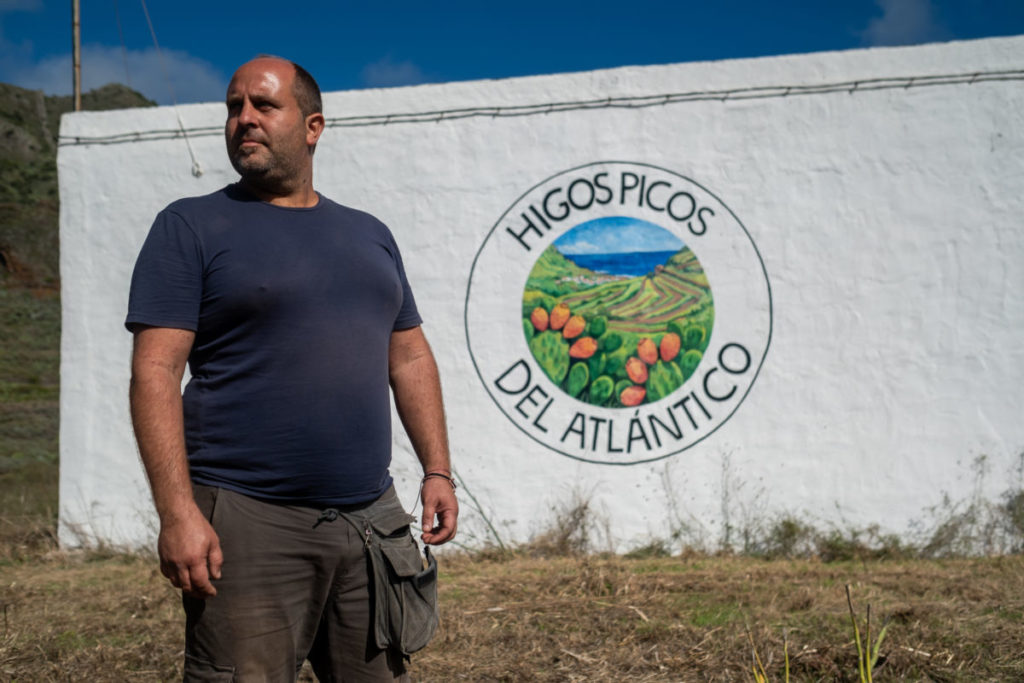
Ángel Amaro, a farmer from Buenavista del Norte, is a prime example of the resilience of the Canary Islands' agricultural sector. As recently highlighted by the local press, he has successfully turned the prickly pear into the foundation of his business by combining agroecological training with a sharp, specialized business strategy.
Instead of growing a wide variety of crops, Amaro focuses on a high-productivity model. By taking advantage of the unique climate in El Palmar, he has extended the season for the ariquera variety from June all the way to April. This unusual harvest window allows him to avoid direct competition and improve his profit margins. Depending on the rainfall, he produces between 5 and 15 tons of fruit annually, which are sold both as fresh produce and to manufacturers for processed goods.
However, the industry faces a serious threat from the Mexican cochineal, an insect that has devastated plantations across the islands. To protect his farm, Amaro has had to use manual pest control while looking for ways to diversify. He is currently working with the Canary Institute of Agricultural Research (ICIA) to begin selling nopal (cactus pads). This product is gaining popularity in international cuisine and would allow him to make full use of the entire plant.
Amaro’s business, Higos Picos del Atlántico, reflects a broader trend toward the professionalization of farming in the Canary Islands. With plans to export to Germany and improve his logistics through better machinery, he emphasizes that quality and presentation are key to standing out. His work not only supports the local rural economy but also preserves a crop with deep historical roots, successfully adapting it to meet modern food safety and commercial standards.