
Canary Islands Face Severe Water Crisis Amid Overexploitation and Infrastructure Failures
The Canary Islands face a critical water crisis driven by overexploitation, aging infrastructure, and high tourism consumption, prompting experts to call for an urgent shift toward conservation and efficiency.
The Canary Islands’ socioeconomic model is at a turning point as the region faces a severe water crisis. A recent report from the Fundación Renovables warns that the islands are suffering from structural water stress, driven by climate change and a production system that consumes far more water than the islands can naturally replenish.
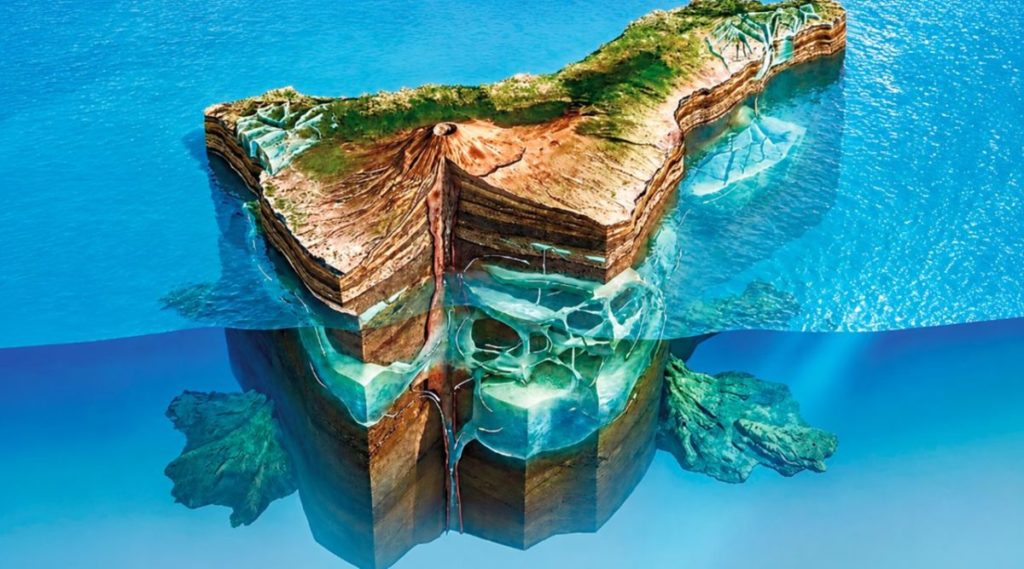
Groundwater reserves are particularly vulnerable. In Tenerife, the four main water bodies are being overexploited, with extraction rates far exceeding sustainable levels. This problem is worsened by unpredictable weather, which has caused aquifer replenishment to drop from 36% to 29% in recent decades. While desalination has become a necessary emergency measure, it is energy-intensive and carries a significant carbon footprint unless powered by renewable energy.
Agriculture remains the largest water consumer, using nearly half of the islands' total supply—and up to 87% in La Palma. In Tenerife, intensive irrigation for banana crops in the south and southwest puts immense pressure on local resources. However, population growth and tourism are also major factors. There is a stark contrast in usage: while the average resident uses 150 liters of water per day, a tourist in a luxury hotel can consume up to 1,000 liters per night.
The report also highlights the "hidden" water footprint of tourism, which accounts for 80% of the sector's total impact when including the water needed for food production and services like industrial laundries. This is compounded by aging, inefficient infrastructure. Water loss in distribution networks is alarming; in Lanzarote, over 60% of water is lost before it reaches consumers. In Tenerife, official estimates suggest a 28% loss, though some experts believe the figure could be as high as 60% in certain areas due to leaking pipes.
To address these challenges, the Fundación Renovables is calling for a major shift in water policy. Instead of simply trying to increase supply, the islands must focus on efficiency, reuse, and conservation. Proposed solutions include linking tourism licenses to water availability and introducing progressive pricing that reflects the true cost of the resource. The report concludes that the future of the islands depends on prioritizing infrastructure repairs and fixing leaks rather than continuing to expand production capacity.