
Canary Islands Face Rising Fire Risk as Farm Abandonment Grows
Experts warn that the decline of traditional farming and excessive bureaucratic regulation in the Canary Islands are leaving rural landscapes vulnerable to increasingly severe forest fires.
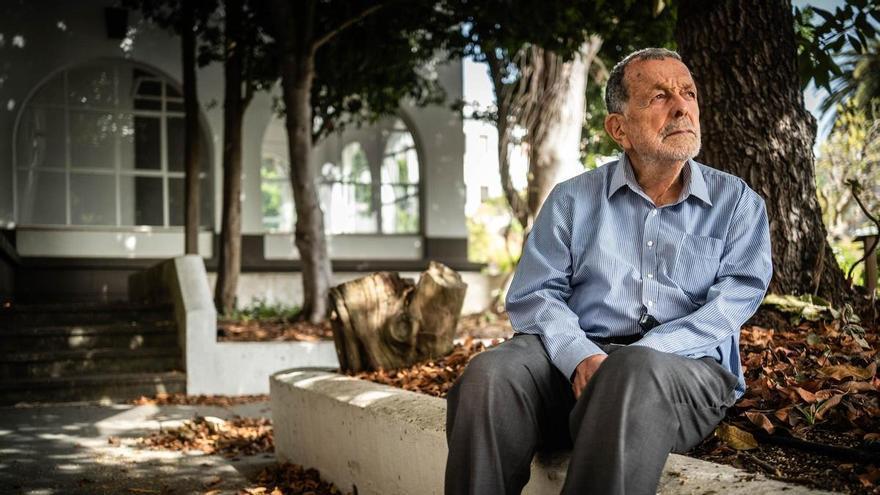
Land management in the Canary Islands is facing a crisis that goes far beyond agriculture; it has become a serious public safety issue regarding forest fires. Wladimiro, a veteran expert on Tenerife’s rural landscape, warns that as traditional farming disappears, the land is left unprotected. This trend suggests that current fire prevention policies are failing.
The core of the problem is a disconnect between government regulations and the reality of life in the countryside. Experts argue that authorities are applying an urban mindset to forest management, creating bureaucratic hurdles that make basic tasks like pruning and clearing vegetation difficult. This rigid approach prioritizes theoretical rules over the practical knowledge of those who live on the land. As a result, young people are discouraged from entering the profession. Furthermore, the difficulty of obtaining permits for livestock—even in areas where grazing could act as a natural firebreak—has led to widespread farm abandonment, allowing invasive plants to take over historic crop lands.
This situation is worsened by the "urbanization" of rural areas. New residents often bring habits that conflict with traditional farming and livestock practices, making it even harder for the few remaining young farmers to stay in business. When this cultural shift is combined with a reliance on cheap, imported produce that undercuts local farmers, the region’s overall resilience is weakened.
Wladimiro’s experience during the 2007 Redondo fire serves as a stark warning. In the past, farmers acted as the primary guardians of the forest. Today, their absence means we rely entirely on official fire brigades. While these teams are essential, they cannot replace the local knowledge of those who know every ravine and access route.
Ultimately, protecting the landscape requires more than just a romantic view from the city. The environmental health of the islands depends on the government’s ability to support farmers and ranchers, integrating them into the active management of the land rather than burying them in red tape.