
Canary Islands Environmental Group Raises Alarm Over Chemical Safety at Beaches
Environmental consultants in the Canary Islands are demanding greater transparency from health authorities, citing concerns that current water safety protocols fail to test for toxic chemical byproducts resulting from the disinfection of poorly purified wastewater.
Wastewater management in the Canary Islands is back in the spotlight, this time over concerns about chemical safety at local beaches. The Canary Islands Business Association of Environmental Consultants (Aeccm) has raised alarms about the methods used to disinfect areas with poor sanitation, formally asking the General Directorate of Public Health for more transparency. Specifically, they are questioning the scientific justification for using hypochlorite in water that has not been fully purified.
The main concern is that chlorination can create byproducts like trihalomethanes, which have been linked to toxicity and potential cancer risks. Environmental consultants argue that there is no public data to prove these waters are safe. According to the association, Tenerife is home to over 100 unauthorized discharge points—roughly half of all such irregularities across the islands. The regional government has acknowledged that it faces structural and staffing shortages, raising serious questions about whether current safety controls are enough.
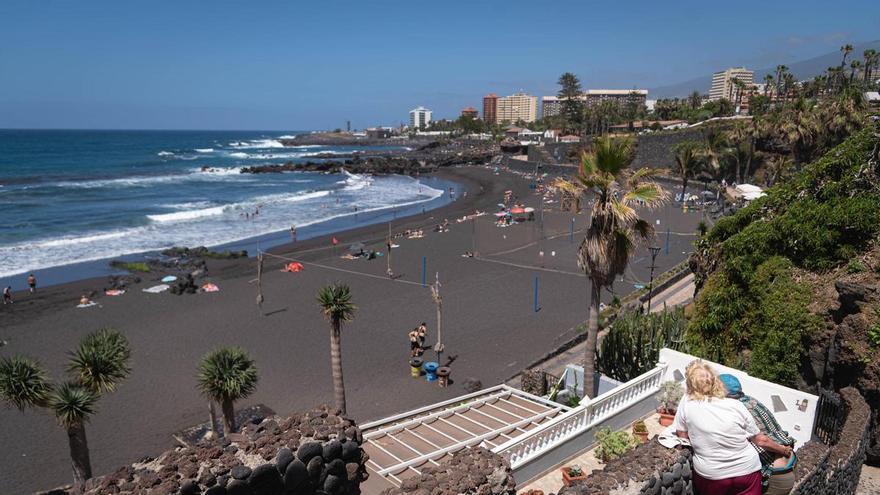
Current regulations, specifically Royal Decree 1341/2007, only require inspections for bacteria like E. coli or physical issues like jellyfish and algae. The Aeccm argues that this protocol is outdated because it fails to test for the chemical footprint left by disinfection treatments. Without specific testing for organochlorine contaminants, the group believes the authorities’ safety claims lack objective proof. This issue previously surfaced during an investigation by the Environmental Prosecutor's Office into Playa Jardín, where the use of chlorine was flagged due to long-standing sanitation failures.
The General Directorate of Public Health has so far only directed the public to its website, a response the industry describes as an attempt to dodge responsibility. Juan Rumeu, president of the Aeccm, insists that transparency is essential, stating that citizens deserve to know both the test results and the technical reasons why certain chemical risks are excluded from safety checks.
The Aeccm is now demanding access to scientific protocols and risk assessment reports from the last ten years. They want to know if current surveillance methods are actually capable of ruling out chemical dangers. Their request aligns with international standards from groups like the World Health Organization and the U.S. Environmental Protection Agency, which call for thorough monitoring of disinfection byproducts in recreational waters. Ultimately, the association is calling on the government to stop asking for blind trust and instead provide the evidence needed to prove that Canary Island beaches are truly safe for the public.