
Canary Islands Educators Shift Focus Toward Systemic Prevention in Schools
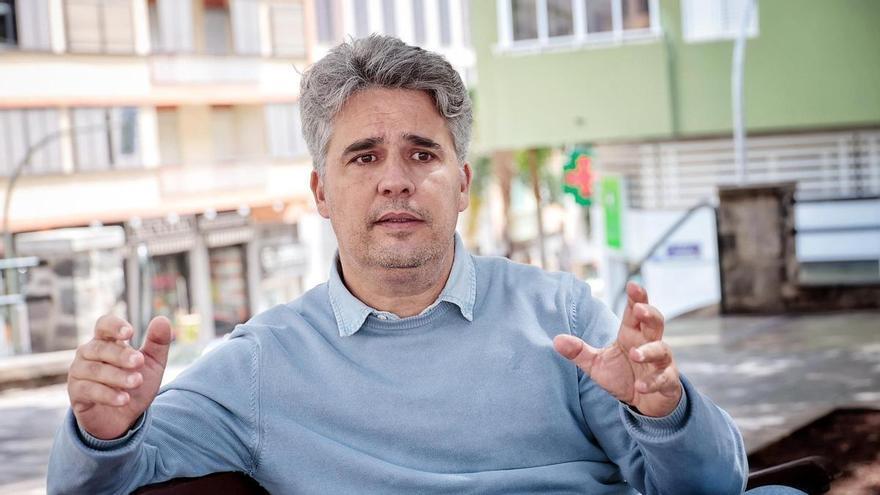
Social educator Ruyman Afonso Higuera is transforming the role of school-based support in the Canary Islands by shifting the focus toward community-driven prevention and addressing the systemic inequalities that impact student development.
The role of social educators in the Canary Islands is shifting. Rather than simply reacting to problems as they arise, these professionals are becoming a vital preventive force within the school system. As highlighted in a recent profile of Ruyman Afonso Higuera, succeeding in this field today requires a deep understanding of the structural inequalities that shape a child’s development.
Afonso Higuera, who works primarily in Tenerife, argues that job insecurity and a heavy reliance on the tourism industry create invisible barriers for many families. He believes these economic struggles should not be viewed as parental negligence, but as the result of systemic issues that limit a family’s time and stability. The real challenge, he suggests, is not just providing financial aid, but expanding the horizons of children growing up in environments where expectations are often low.
Following in the footsteps of his father, the researcher Hermógenes Afonso, Afonso Higuera believes schools should act as hubs for community connection. In his work at institutions like the Betancourt y Molina center, he moves away from rigid academic hierarchies. Instead, he focuses on building relationships in informal settings, such as playgrounds and hallways. This philosophy drives projects like Birmagen and Tenique, which aim to strengthen community ties and encourage civic participation.
Afonso Higuera’s experience shows that using local culture and identity as tools for inclusion is essential. He points to the work at CEIP Isaac de Vega in San Isidro and the revival of traditional festivals in the capital’s Southwest as key ways to foster a sense of belonging. Ultimately, his work reflects a growing consensus among experts: schools must evolve into centers of comprehensive support. By prioritizing prevention and active listening, educators can ensure that no student has to face their formative years alone, regardless of their family’s economic situation.