
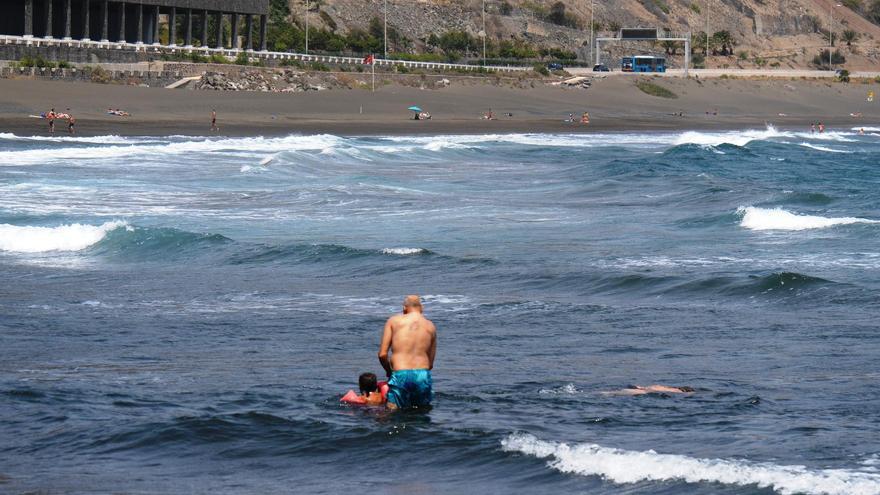
Canary Islands Drownings Down 10% in 2025, Water Incidents Rise
Drowning deaths in the Canary Islands decreased by 10% to 60 between January and November 2025, according to a new report, despite a 26% rise in total water incidents.
Between January and November 2025, 60 people drowned in the Canary Islands. This is a 10% decrease compared to the 67 deaths reported during the same time last year. These figures come from the latest report by the 'Canarias, 1500 Km de Costa' Association, which focuses on preventing water accidents.
While fewer people died, the total number of people affected by water incidents actually rose by 26%, from 174 to 220. These incidents happened on beaches, in swimming pools, port areas, and along the coastlines of the islands.
In November, there were six drowning deaths, the same number as in October. This is lower than the annual peaks seen in August and September, which each had nine deaths. The average number of monthly drowning deaths for the year is five, down from an average of six per month in 2024.
Looking at the victims, 37% (22 people) were adults swimming, and 33% (20 people) were over 60 years old. The age of 23% (14 people) of the victims was not known.
The report also detailed the profiles of those affected: Among minors, 17 were involved in water incidents:
- 1 died
- 1 was seriously injured
- 15 had minor injuries
For adults, the figures were:
- 59 died
- 19 were seriously injured
- 124 had minor injuries
Regarding the activities people were doing when the incidents occurred:
- 22 were swimming or bathing
- 11 were fishing
- 7 were diving
- 5 were doing water sports
- 10 had an unspecified activity
- 5 were involved in other activities
Geographically, Tenerife recorded the most fatalities with 19. It was followed by:
- Gran Canaria (16)
- Fuerteventura (10)
- Lanzarote (9)
- La Palma (3)
- El Hierro (2)
- La Gomera (1)
Beaches continue to be the most dangerous locations, accounting for 51% of all incidents. Other locations included:
- Ports and port areas (17%)
- Swimming pools (12%)
- Coves and coastal areas (10%)
- Inland areas (10%)
Most accidents, 70% (42 cases), happened in the afternoon. 22% (13 cases) occurred in the morning, and 1% (1 case) at night. The time of the remaining incidents was not specified.
The study used data from various sources, including 112 Canarias, the Guardia Civil, National Police, Maritime Rescue, Firefighters, and Civil Protection.
The report is sponsored by the Cabildo de Gran Canaria and the Elder Museum of Science and Technology. It also collaborates with institutions like the Department of Territorial Policy, the City Council of Las Palmas de Gran Canaria, and the airline Binter.
The 'Canarias, 1500 Km de Costa' Association emphasizes the importance of extreme caution. They urge people to pay attention to weather alerts and never swim when a red flag is flying, as this is identified as the main risk factor in many of the recorded incidents.