
Canary Islands Culinary Project Revives Forgotten Local Ingredients
The Gastronomía Sprint project in the Canary Islands is bridging the gap between vocational training and fine dining by tasking students with applying modern culinary techniques to rediscover and elevate forgotten local ingredients.
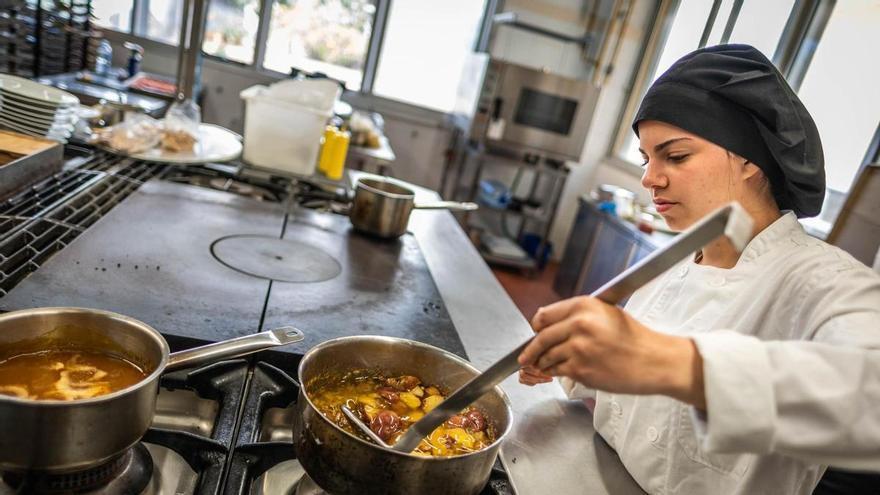
Culinary innovation in the Canary Islands is getting a boost through a new partnership between schools and industry experts. The Gastronomía Sprint project—a collaboration between the CIFP Virgen de Candelaria, the Basque Culinary Center, and Turismo de Tenerife—is focused on using research to rediscover local ingredients. The program, which involved 25 students, aims to bridge the gap between vocational training and the high standards of modern fine dining by experimenting with lesser-known local products.
The project highlighted ingredients like "barbilla" wheat, wild saffron, yam, Atlantic horse mackerel, wahoo, beans, and prickly pear. Guided by instructor Enrique Quintero, students used a trial-and-error approach to transform these traditional items into sophisticated dishes. They applied modern techniques, such as creating sourdoughs and kombuchas, as well as dehydration and curing. Because the students came from diverse international backgrounds, they brought fresh, creative perspectives that allowed them to reinterpret these local ingredients in unique ways.
The true value of the project goes beyond the recipes themselves; it is a vital learning experience. Since there is very little technical information available on how to handle some of these native products, students had to create their own methods—a crucial skill for any future chef. The pilot phase was a success, with students remaining dedicated even outside of regular class hours, proving that product research should be a core part of culinary training.
By rescuing forgotten ingredients and connecting their origins to the final dish, the project has laid the groundwork for a more professional approach to Canarian cooking. Organizers hope to secure more resources and time for future programs, ensuring that the next generation of chefs can do more than just cook—they will be able to understand, value, and sustainably use the Canary Islands' unique pantry.