
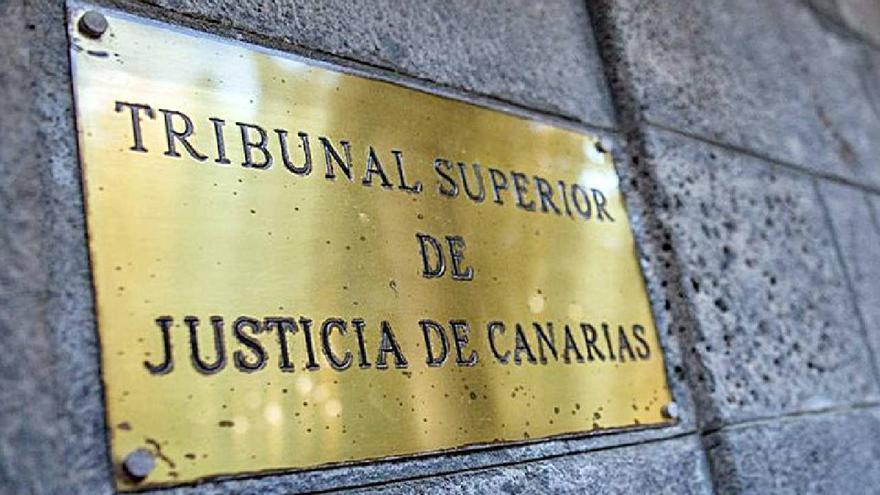
Canary Islands Court Probes Lawyer Over AI-Generated Legal Fakes
The Canary Islands High Court has launched an investigation into a lawyer for filing an appeal containing non-existent legal precedents and reports, suspected to be AI-generated, citing serious negligence and potential bad faith.
The criminal division of the Canary Islands High Court (TSJC) has decided to investigate a lawyer. The investigation concerns a possible breach of legal ethics, as the lawyer filed an appeal containing legal precedents and official reports that appear to be non-existent. The court suspects these documents might have been generated using artificial intelligence.
This decision stems from a recent ruling that confirmed the acquittal of a Tenerife resident. This person had been tried in July for an alleged sexual assault by the Provincial Court of Santa Cruz de Tenerife. The High Court's ruling dismissed the appeal filed by the private prosecution and was authored by the TSJC's president.
In its decision, the Court highlighted that the appeal contained several "fake" or "unverified" legal citations. It also referenced a supposed report from the General Council of the Judiciary concerning the credibility of child testimony, which the Court stated it has "no record of ever existing."
The TSJC believes this behavior demonstrates serious negligence. The lawyer appears to have relied on an algorithm to generate the appeal's content "without further review," failing in their professional duty to verify all cited sources.
The Court highlighted that the appeal cited at least seven Supreme Court rulings that do not exist in official databases, along with many other similar references. It described this as an exercise in "utterly free legal creativity," presented "with ease and boldness."
The ruling also noted that the lawyer quoted passages from these non-existent documents "with the precision of someone copying from an original." This makes the situation more serious, given the repetition and the convincing appearance of truthfulness in the fake citations.
Given these circumstances, the Court has ordered a separate investigation to determine the lawyer's potential liabilities. This will be conducted under Article 247 of the Civil Procedure Law and the Organic Law of the Judiciary.
These regulations allow for fines to be imposed for acting in bad faith during legal proceedings. The case could also be referred to the lawyer's professional association for potential disciplinary action. The Court clarified that the lawyer will be given a hearing before any final decision is made.