
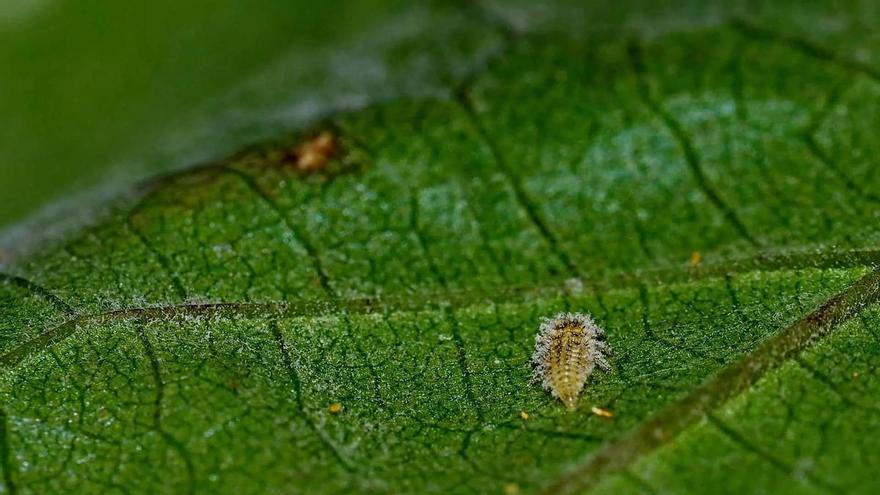
Canary Islands Contain Phylloxera Outbreak, Easing Restrictions for Winegrowers
The Canary Islands government is easing phytosanitary restrictions on winemakers after successfully containing a phylloxera outbreak to a small area in Tenerife, with long-term plans now focused on total eradication through the use of resistant rootstocks.
Canarian winemaking is reaching a turning point as officials confirm that the spread of phylloxera has been successfully contained within a small, specific area. According to the Canary Islands’ Ministry of Agriculture, the latest round of regional surveys identified only four new outbreaks, all located on abandoned land within the Tacoronte-Acentejo region of Tenerife.
Minister Narvay Quintero announced that these findings will allow the government to ease current phytosanitary restrictions ahead of the upcoming harvest. While the strict regulations introduced in August 2025 were essential for stopping the pest, they created significant logistical and financial hurdles for local growers. The government now plans to update these rules to better reflect the current situation, as the infestation remains limited to Tenerife and has not spread to any other islands.
The surveillance effort has been extensive, with 9,610 inspections conducted across the archipelago since the crisis began. Last year, 7,779 inspections uncovered 89 positive cases, all of which have since been addressed. This year, an additional 1,831 inspections were carried out across all seven islands to ensure the pest remains under control.
Looking beyond immediate containment, the government has launched a long-term strategy to protect the region's wine industry. This includes a trial program using resistant vine rootstocks. Participating winegrowers will receive 4,000 euros to help set up 2,500-square-meter test plots, followed by 1,000 euros annually for four years. The goal is to see how traditional grape varieties perform against local soil and climate conditions when paired with these resistant roots.
The Canary Islands’ ultimate goal is the total eradication of phylloxera. If successful, the islands would become the first region in Europe to eliminate the pest, which is considered permanent and only manageable in the rest of the continent. This project is part of a national contingency plan, combining rigorous monitoring with scientific research to safeguard the future of Canarian viticulture.