
Canary Islands Complete World’s Deepest Undersea Power Cable Linking Tenerife and La Gomera
Red Eléctrica has completed a record-breaking 36-kilometer undersea power cable connecting Tenerife and La Gomera, a 177.5 million euro project designed to enhance grid stability and accelerate the Canary Islands' transition to renewable energy.
The new undersea power cable connecting Tenerife and La Gomera marks a major milestone for the Canary Islands' energy grid, according to Red Eléctrica. The project, which cost 177.5 million euros and was partly funded by the EU’s NextGenerationEU program, allows both islands to share power management. This move ends the isolation that previously limited La Gomera’s energy efficiency.
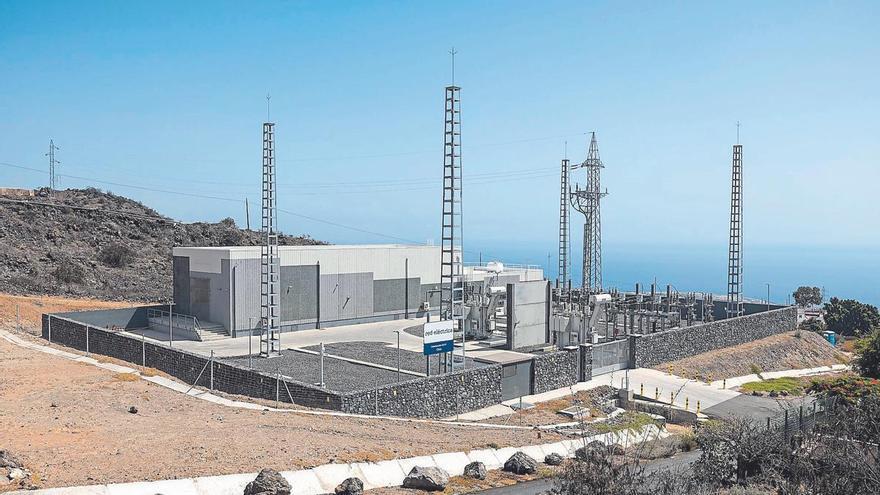
Technically, the project is a remarkable feat of engineering. The 36-kilometer-long, 66-kilovolt cable reaches depths of 1,145 meters, making it the deepest of its kind in the world. To complete the installation, engineers used advanced techniques like horizontal directional drilling to protect the coastline and installed compact GIS technology at the Chío and El Palmar substations to reduce the project's visual and environmental impact.
The benefits go beyond just a more secure power supply. By linking La Gomera to Tenerife’s network, the islands can now better manage peaks in renewable energy production. La Gomera can export its surplus clean energy to Tenerife, helping to reduce reliance on fossil fuels and supporting decarbonization goals. Additionally, the Chío substation acts as a key hub, strengthening the power supply in western Tenerife to meet rising demand.
This project follows the successful connection between Lanzarote and Fuerteventura and is a vital step in the islands' energy transition. By strengthening these electrical links, the Canary Islands are better prepared for future challenges, such as the electrification of transport and the integration of new renewable energy sources. Ultimately, this infrastructure makes the regional power grid more resilient and paves the way for a more sustainable and efficient energy future.