
Canary Islands Coastal Community Struggles With Neglect Amid Tourism Surge
The coastal community of Santa Lucía in Tenerife is struggling to preserve its local identity and secure basic infrastructure as it faces mounting pressure from unchecked tourism and persistent administrative neglect.
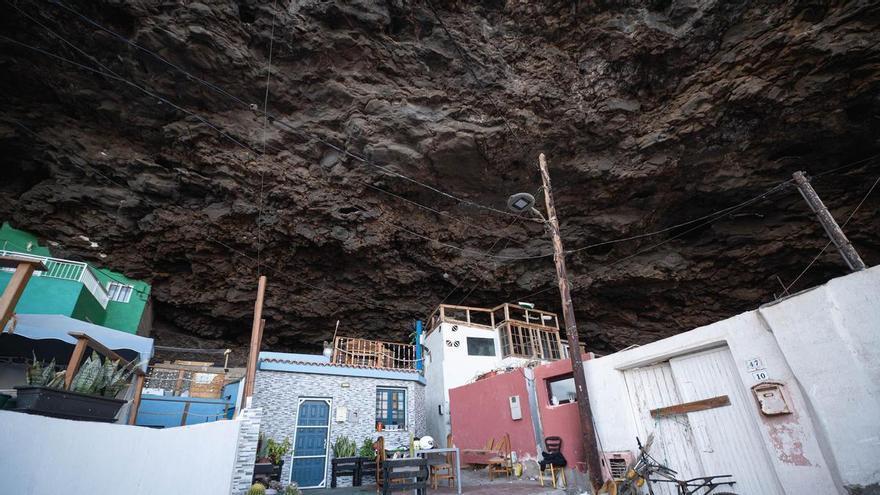
Traditional coastal communities in the Canary Islands are at a turning point, caught between a lack of public services and the growing pressure of tourism. A recent report in El Día highlights the Santa Lucía settlement on the Agache coast in Güímar as a prime example of this struggle to balance local identity with administrative neglect.
Located below the TF-1 highway, the community has long relied on self-management to make up for the absence of local government support. A clear example of this is the neighborhood’s electricity; in 2000, residents had to pay the full 5.5 million pesetas to install the power grid themselves. This pattern of self-reliance continues today, with locals managing their own water supply and maintaining shared spaces, such as the community’s natural pool.
The social landscape of Santa Lucía is changing. With over a hundred residents, the area has seen an influx of vacation rentals, bringing in visitors from seven different countries. While these tourists are drawn to the unique homes carved into the rock, the increase in visitors has not led to better infrastructure. There is no regular public transport and no local shops, forcing residents to rely on one another for essentials like groceries and medicine.
Safety is another major concern. Residents spent years pushing for protective netting on the nearby slopes to prevent rockfalls from damaging their homes. While the Güímar City Council has helped with administrative tasks like issuing occupancy certificates, many locals still feel abandoned by the authorities.
Today, Santa Lucía remains a relic of Canarian fishing culture, even though no professional fishing takes place there anymore. The residents’ fight to preserve their home is about more than just heritage; it is a warning that without proper planning and basic services, small rural communities risk losing their identity to the rapid, unchecked growth of coastal tourism.