
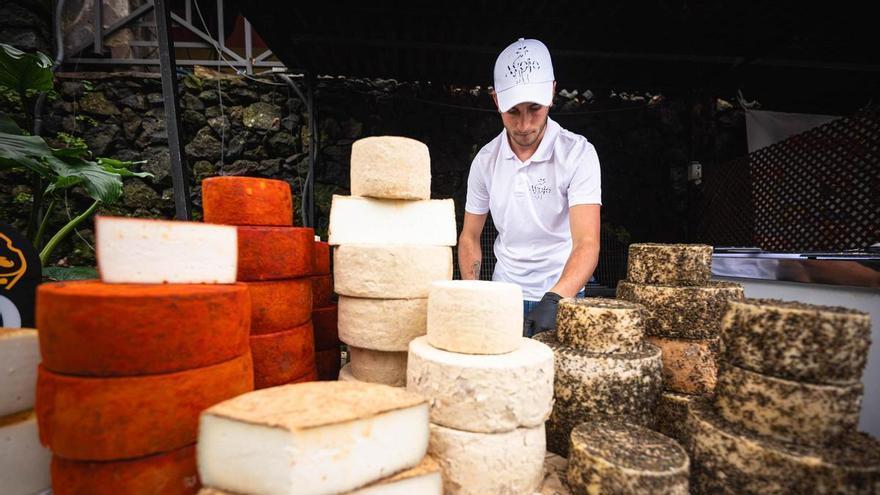
Canary Islands Cheese Fair Highlights Crisis Facing Local Livestock Sector
The 15th Canary Islands Cheese Fair has highlighted a growing crisis in the archipelago's primary sector, where excessive bureaucracy and economic instability threaten the future of traditional livestock farming.
The 15th Canary Islands Cheese Fair, recently held in Pinolere, La Orotava, highlighted a reality that goes far beyond food: the fragile state of the archipelago’s primary sector. While local producers continue to earn international acclaim for their technical excellence, the industry faces a structural crisis that threatens the future of livestock farming—the very foundation of these products.
Experts in the field, including Edelmira Alonso Padrón, Alberto Montesdeoca García, and Daniel Cruz, point to excessive bureaucracy as a major hurdle. Farmers report spending several hours each day on paperwork, often without specialized support. This administrative burden, combined with a lack of financial incentives and subsidies, is making it difficult for younger generations to take over, leading to a steady decline in the number of active farms.
Economically, the sector is caught in a difficult paradox: it must keep prices affordable for consumers while paying enough for raw milk to keep farms viable. This tension is clear in cooperatives like the Benijos Cheese Factory, founded in 1998 to protect agriculture in Tenerife. The relationship between farmers and cheesemakers is vital; without a strong livestock base, the artisanal quality that makes Canarian cheese a global award-winner could disappear.
Despite these challenges, family-run cheese factories continue to innovate. For example, Alberto Montesdeoca’s business, established in 1984, is exploring new ways to diversify income, such as selling fresh milk and yogurt or experimenting with maturation techniques using local ingredients like figs.
Cheese is more than just an economic product in the Canary Islands; it is a key part of the region's identity and history, as seen in traditional staples like almogrote. However, the message from Pinolere is clear: the high quality of the final product cannot mask the instability of its origins. The future of the sector depends on cutting red tape and providing the institutional support necessary for producers to focus on their craft, ensuring that this essential way of life can survive.