
Canary Islands' Blessing Healers: Ancient Wisdom Endures
In the Canary Islands, "blessing healers" continue an ancient tradition of healing with words, plants, and faith, preserving a vital cultural heritage passed down through generations.
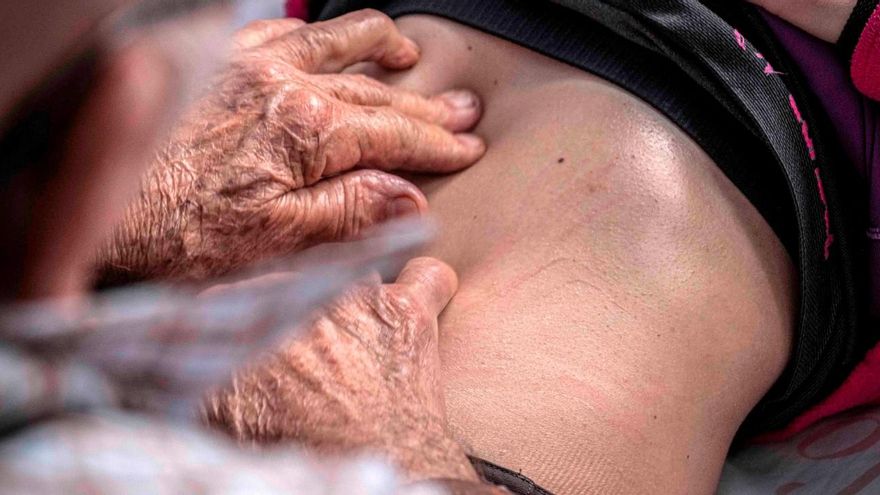
In the Canary Islands, some women still heal using words, plants, and faith. These are the 'blessing healers' and traditional healers, who inherited wisdom passed down from grandmother to granddaughter. They were a vital part of rural life long before doctors reached every corner of the islands.
While their role is less visible today, their tradition lives on in towns across Tenerife, La Palma, Gran Canaria, and El Hierro. People still seek them out for help with problems like the 'evil eye,' shingles, or stomach pain. Their healing methods are deeply connected to local beliefs, emotions, and nature.
These practices began with the original inhabitants of the Canary Islands, the ancient Guanches. They used nature as their pharmacy, relying on plants like the dragon tree for healing, sweet tabaiba for mouth issues, mocán for stomach problems, and even cattle fat to treat wounds.
Over time, this ancient knowledge blended with the Catholic religion and influences from the Americas, especially Cuba and Venezuela. This created a unique healing approach that combines prayer, plants, and faith.
The blessing healers not only treated the body but also comforted the spirit. A prayer, a sign of the cross, or a lit rosemary sprig was often enough to keep evil away. But most importantly, the healing relied on shared faith: both the healer's and the person seeking help's belief in the process.
"My grandmother taught me to pray away the evil eye with holy water and a rue branch," says a resident of La Orotava, who still keeps a notebook with the prayers. "It's not magic; it's care and respect for the unseen world."
In the 19th century, when there were fewer than twenty doctors across all the islands, these women were the main source of healthcare for the people. Midwives helped with births in simple homes; people knew a birth was happening if a sheet was hung on the door.
They were trusted figures, respected yet also feared, as they existed between the spiritual and the ordinary. They knew the secrets of plants and prayers, but also the value of keeping quiet: many of their remedies were family secrets.
More than just superstition, these blessing healers represent an important cultural heritage that cultural groups are starting to appreciate. Their knowledge is part of the Canary Islands' identity, a place where health meant a balance between body, mind, and spirit.
Today, anthropologists and women's associations are working to keep this shared history alive, as it lives on through the stories of the elders. As one woman from Puntallana on La Palma says: "What we did wasn't witchcraft. It was love and knowledge. And that also heals."