
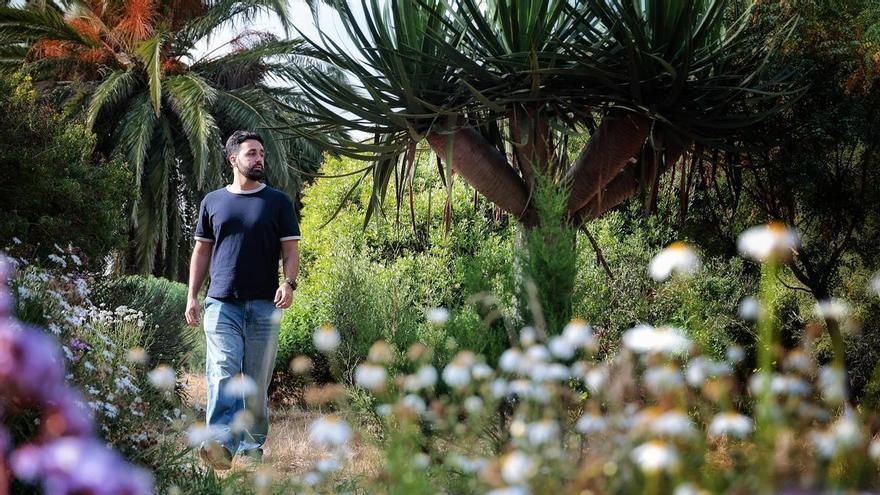
Canary Islands Biodiversity Threatened by Superficial 'Influencer' Environmentalism
Biologist Víctor de León warns that the Canary Islands' fragile biodiversity is increasingly threatened by superficial "influencer" culture, urging a shift toward evidence-based conservation and critical public engagement.
Sharing science online is no longer a niche hobby; it has become a double-edged sword. While it is a vital tool for raising environmental awareness, it also risks becoming a platform for superficial content. Biologist Víctor de León recently warned that we are increasingly confusing genuine education with the "influencer" culture. This shift is particularly concerning for the Canary Islands, where the ecosystem is incredibly fragile.
The archipelago faces a paradox: despite having more scientific data and protection status than ever, its biodiversity is under immense pressure. De León points out that the Canary Islands hold about 20% of Spain’s endemic plants, despite covering only 5% of the country's land. This status as a global biodiversity hotspot is currently clashing with an aggressive economic model and a bureaucracy that often blocks effective conservation.
According to De León, we must move away from "aesthetic" environmentalism and toward management based on hard evidence. Conservation in the islands has changed significantly since the mid-20th century, when practices like logging and grazing in protected areas were common. Today, we demand stricter protections. While these measures are essential for saving sensitive species, they are often difficult to implement because they require a level of collective discipline that isn't always present.
Scientific outreach should not be about lecturing the public, but about providing people with the tools to think critically. Initiatives like the Fénix Canarias project, which brings scientific observation into schools, and the Palique divulgativo podcast aim to build a real connection with nature. However, this work faces constant challenges from misinformation and climate denial, which thrive in a digital world that often prioritizes speed over accuracy.
Ultimately, the future of the Canary Islands' natural heritage depends on our ability to turn technical knowledge into everyday action, ensuring that our concern for nature remains a priority rather than just a passing trend.