
Canary Islands Airport Planning Dispute Highlights Tension Between Politics and Infrastructure Strategy
A dispute over airport planning in the Canary Islands has highlighted the tension between regional political expectations and the rigid, technical nature of Aena’s multi-year infrastructure investment process.
A recent dispute over airport planning in the Canary Islands has shed light on the complex relationship between regional politics and Aena’s infrastructure investments.
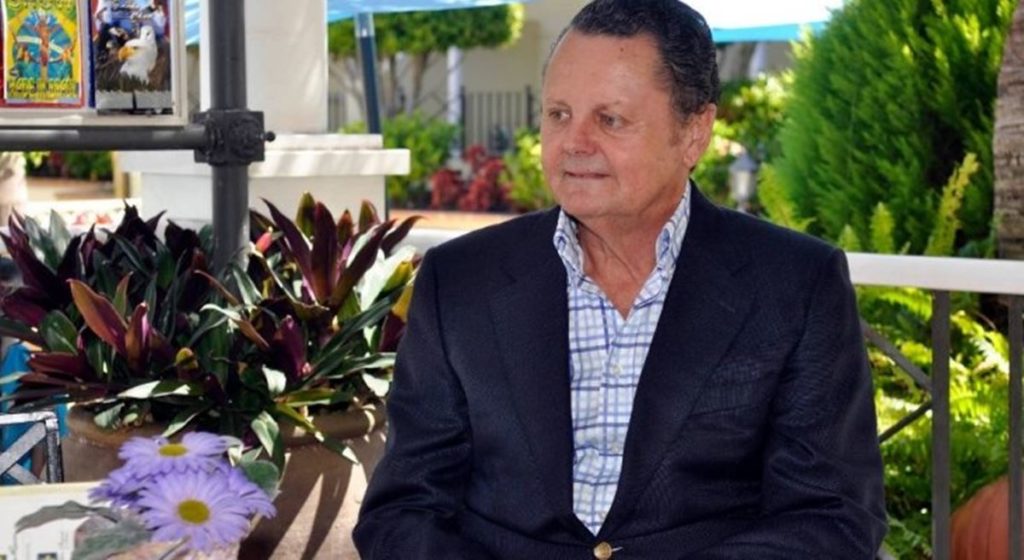
The controversy began when José Fernando Cabrera, president of the Forum of Friends of the South of Tenerife (FAST), criticized a request from the Canary Islands’ Ministry of Public Works. The regional government had asked for a re-evaluation of investment criteria for the 2027–2031 period, known as the DORA III regulatory document.
Cabrera argued that the regional government’s request, voiced by Director General of Transport María Fernández, shows a misunderstanding of how the process works. He emphasized that these investments are not decided through political negotiation, but are the result of a rigorous, years-long technical process involving airlines, civil authorities, and tour operators.
From a technical standpoint, the DORA III document is highly rigid. Once Aena’s Board of Directors approves the plan and it moves to the Council of Ministers for final ratification, there is almost no room for changes. Business leaders warn that trying to alter the plan at this late stage is not operationally viable.
The situation at Tenerife South Airport highlights the scale of these projects. A total of 550 million euros is earmarked for the airport across the DORA III and DORA IV (2031–2035) cycles. This massive investment is necessary to build a new terminal while keeping the current airport fully operational—a complex engineering feat that requires years of work.
While the Canary Islands government has since clarified that it was seeking transparency in state-level distribution rather than trying to spark rivalry between islands, the incident has exposed the tension between technical infrastructure management and regional political expectations. The debate was fueled by figures showing 375 million euros allocated to Tenerife South compared to 219 million for Gran Canaria under DORA III. Ultimately, the disagreement highlights broader questions about how the archipelago’s main gateways are planned and governed.