
Canary Islands Agriculture Faces Crisis Amid Red Tape and Rising Costs
Canarian farmers are struggling to sustain local food production due to excessive bureaucracy, rising operating costs, and unfair competition from international imports.
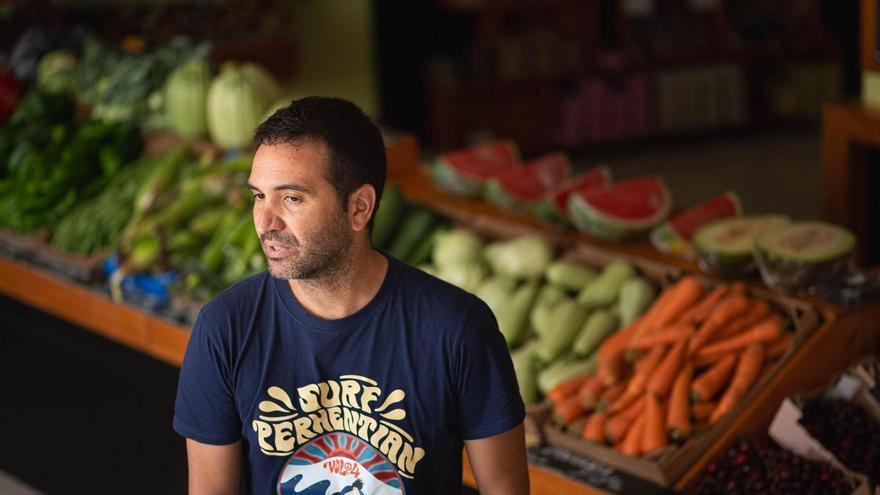
The primary sector in the Canary Islands is facing a crisis that goes far beyond a simple lack of new farmers. A recent interview with Jonathan Molina, a producer from Tenerife, highlights the fragility of island agriculture. Molina successfully transformed his family’s carrot farm in Tegueste into a diverse business focused on direct sales, but his experience reveals a troubling paradox: despite high demand for local food, farmers are being pushed out of the industry by red tape, strict health regulations, and unfair competition from abroad.
Molina’s "zero-kilometer" model now moves over two tons of produce a week. However, as an agricultural engineer, he warns that this success requires complex planning to ensure a steady supply of staples like potatoes, onions, and tomatoes to compete with supermarkets. The real issue isn't a lack of customers, but a sharp decline in available farmland. In the past, high prices would naturally encourage farmers to grow more; today, that cycle is broken. High operating costs and administrative hurdles make it nearly impossible for farmers to respond to market demand.
This has a direct impact on shoppers. Because local production has dropped, the price of basic goods has soared—for example, the price of peppers has jumped from 80 cents to over three euros. Molina notes that families are ultimately paying the price for the decline of local farming, costing them hundreds of extra euros each year.
Molina also points to the unfair playing field created by European policies. While the EU bans certain pesticides for sustainability reasons, it continues to allow imports from countries like Morocco and Turkey that do not follow the same rules. When this is combined with the heavy bureaucratic burden placed on older farmers, the future looks bleak. The sector needs a major review of how these regulations are applied; otherwise, Canarian agriculture risks becoming a minor industry, leaving the islands dependent on large retail chains and losing their ability to feed themselves.