
Canarias Jazz & Más Festival Expands Across Five Islands in Cultural Decentralization Push
The Canarias Jazz & Más International Festival is promoting cultural decentralization this weekend by hosting eleven concerts across five islands to bring diverse jazz performances to wider regional audiences.
The Canarias Jazz & Más International Festival is focusing on cultural decentralization this weekend, bringing music to five different islands. Organizers have put together a regional program featuring eleven concerts across six locations, showcasing more than thirty international, national, and local artists.
This three-day event highlights the festival's commitment to reaching a wide audience. In Tenerife, Adeje’s Plaza Salytien hosts Antonio Forcione with Cenk Erdogan and the Estelle Perrault quintet on Friday, followed by Lucía Rey and the Eric Alexander Jazz Syndicate on Saturday.
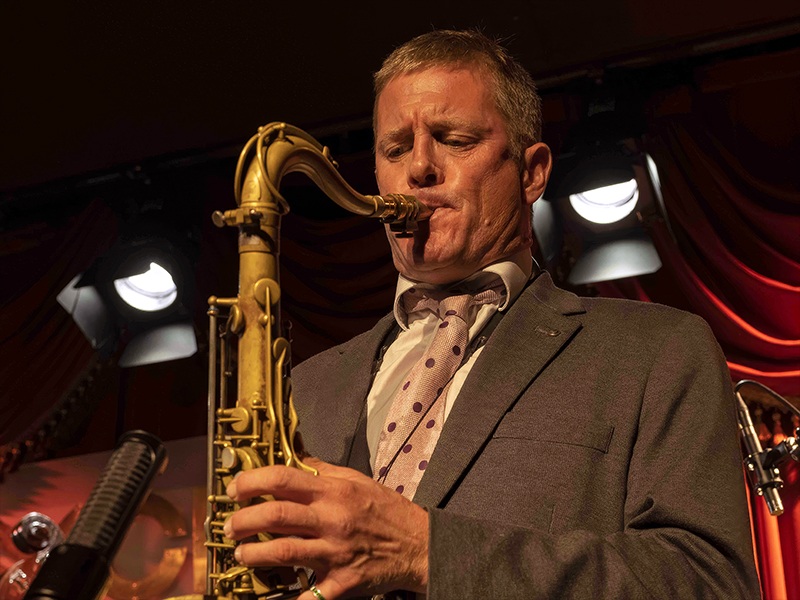
Gran Canaria’s schedule is equally busy: saxophonist Eric Alexander performs at the Teatro Guiniguada today. On Saturday, the Plaza del Pilar Nuevo will host Canarian Women of Jazz, featuring the Las Palmas de Gran Canaria Municipal Symphonic Band alongside vocalists Esther Ovejero, María Zerpa, Moneiba, Mónica Santana, and Olga Sánchez. On Sunday, the Teatro Guiniguada will present the educational show Ponké and the City of Jazz.
The festival’s traveling format continues across the archipelago. La Palma hosts Lucía Rey and the Cuban Jazz Syndicate today at the Plaza de España in Los Llanos de Aridane. The Cuban Jazz Syndicate will then head to Fuerteventura on Saturday for a performance at the Palacio de Formación y Congresos in Puerto del Rosario. Meanwhile, El Hierro will welcome Forcione and Erdogan to the Auditorio de La Peña on Saturday.
By spreading performances across various venues, the festival aims to do more than just share music; it highlights the role of live music as a social and economic driver. This approach ensures that jazz—ranging from educational programs to symphonic shows—is accessible to communities outside of major urban centers.