
Canarian Talent Remains a Cornerstone of Spain’s World Cup Success
Spain’s historic 2026 World Cup final appearance against Argentina underscores the enduring, century-long contribution of Canarian players to the national team's success.
Spain’s qualification for the 2026 World Cup final, where they will face Lionel Messi’s Argentina, highlights the massive impact Canarian players have had on the national team for nearly a century. This historic achievement is not just a collective success; it reflects a footballing tradition that has consistently fueled "La Roja" since the 1920s.
Records show that 39 players born in the Canary Islands have reached the senior national team. This legacy began with José Padrón Martín, nicknamed "El Sueco," who became the first islander to wear the national jersey in 1929 during a match against Portugal. Padrón’s career, which included spells at Espanyol, Sevilla, Barcelona, and in France, paved the way for generations of talent to follow.
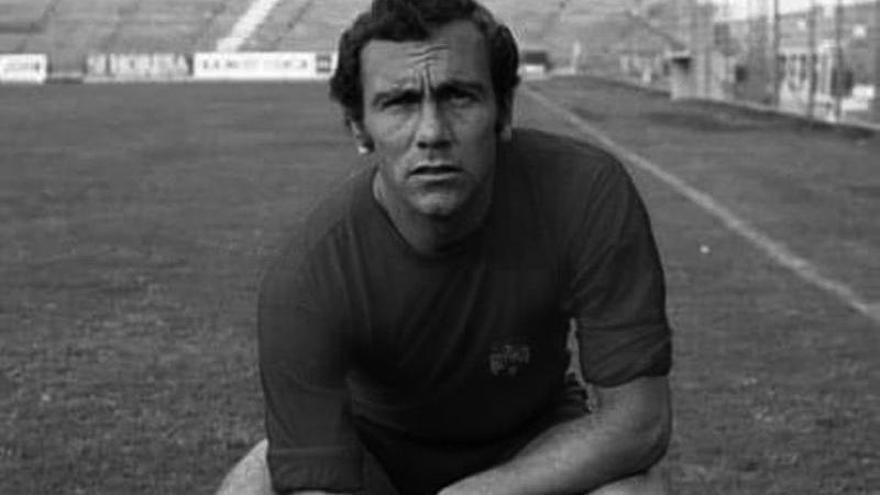
The two major island clubs have played a vital role in this history. UD Las Palmas has produced 20 national team players, including legends like Antonio Afonso Moreno "Tonono," who in 1972 became the first Canarian to captain the national side. The club also nurtured stars such as Alfonso Silva—who played in the 1950 World Cup—Antonio Betancort, Paco Castellano, and Juan Carlos Valerón, who scored the first goal by a Canarian in a World Cup finals tournament. More recently, 23-year-old Pedri is now competing in his second World Cup. CD Tenerife has also been a key talent hub, producing players like Ángel Arocha, Gabriel Jorge, Francisco Martín Arencibia, Eleuterio Santos "Yeyo," and current star Ayoze Pérez.
The history of Canarian football also features unique stories, such as Pedro Arico Suárez, who played in the 1930 World Cup final for Argentina, and David Silva, a key member of Spain’s 2010 World Cup-winning squad. The presence of Silva and Pedro Rodríguez in that championship team, followed by Pedri and Yeremy Pino in the 2026 squad, shows a clear generational link between the islands and Spain’s greatest footballing moments.
This legacy, stretching from the early pioneers to today’s stars, proves that the Canarian contribution is a fundamental pillar of Spanish football. Sunday’s final against Argentina is more than just a match; it is the culmination of a long history in which talent from the archipelago has consistently helped Spain reach the pinnacle of the sport.